Sand and Silt in Your Well Water: Protecting Your Pump in Kings & Tulare Counties
If you farm or live on acreage in Woodlake, Lindsay, or Porterville, you are intimately familiar with the “grit.” We constantly hear from homeowners and farmers who are frustrated that their pumps keep wearing out faster than they should. They replace the pump, and a year later, they are right back where they started, asking: “Why does my well pump keep burning out?”
The answer is almost always the same: fine sand and silt intrusion from the alluvial soils of the eastern valley floor.
The Problem with Central Valley Alluvial Soils
The San Joaquin Valley was formed by sediment washing down from the Sierra Nevada mountains over millions of years. This sediment doesn’t settle into solid rock layers. Instead, in areas like Woodlake, Lindsay, and Porterville, wells pull water from “unconsolidated” layers—essentially thick, loose beds of fine sand, silt, and clay.
When your pump draws water from these sandy aquifers, it’s also drawing in fine abrasive particles.
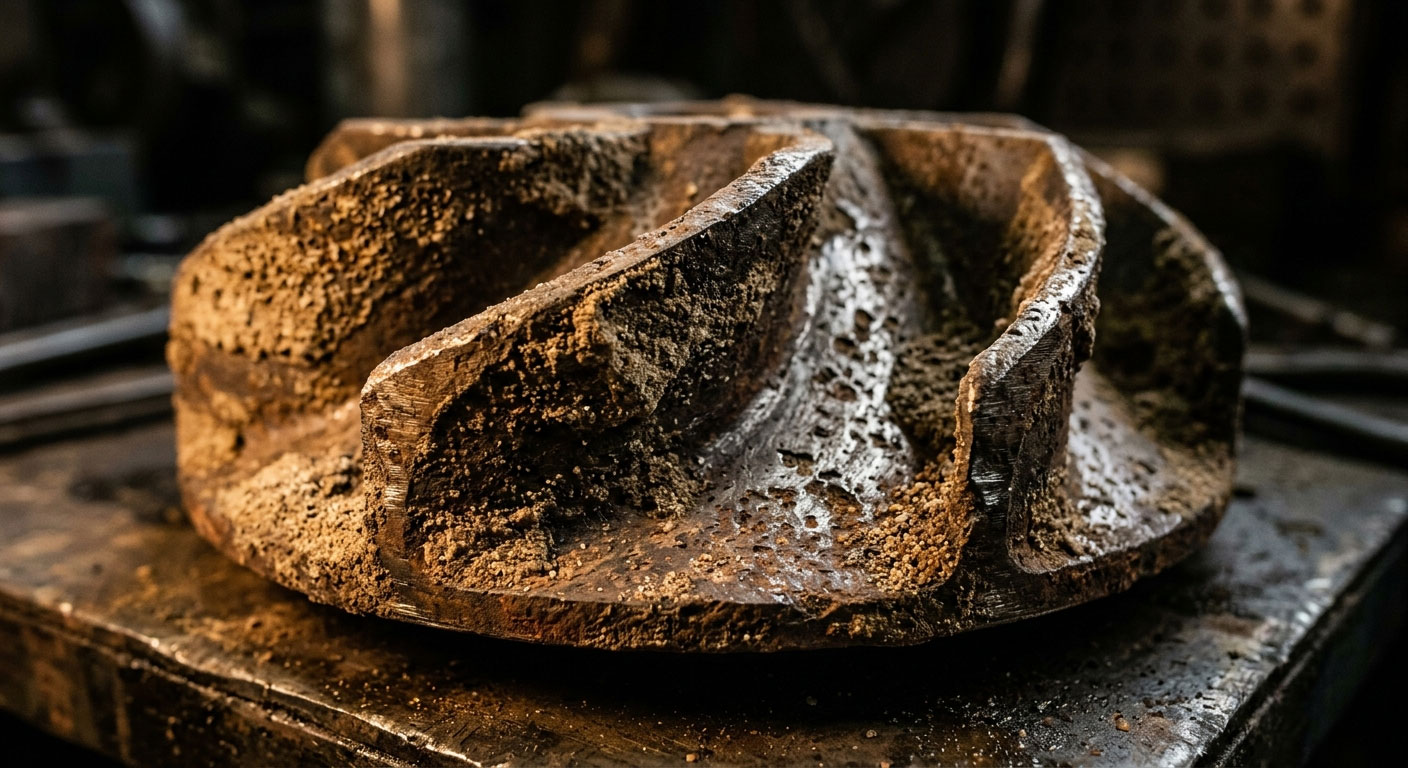
- Erosion of Impellers: Even if your well’s screen is in place, fine silt can bypass it. Once that grit enters the pump, it acts like liquid sandpaper on your impellers and seals, causing a slow decline in water pressure.
- Overheating Motors: As parts wear down, the pump has to run longer to build the same pressure, leading to overheated motors and premature failure.
- Irrigation Clogs: Sand bypassing your filtration clogs drip lines and emitters, creating devastating “dry spots” in citrus groves or nut orchards. Learn how we address this on a commercial scale in our Citrus and Nut Grove Well Solutions.
Solutions: Centrifugal Sand Separators
If you are burning through pumps, you need to stop just replacing the hardware and start addressing the sediment. One of the most effective mechanical solutions is a Centrifugal Sand Separator.
These units are installed inline, before the pressure tank. Water enters the separator at a high velocity, creating a vortex. The centrifugal force spins the heavy sand and sediment particles to the outside of the chamber, where they spiral down into a collection tank. The clean, sand-free water is then drawn upward into your system.
- Low Maintenance: You simply open a flush valve at the bottom of the separator periodically to clear out the accumulated sand.
- Saves Plumbing: It protects your pressure tank, water heater, water softeners, and home faucets from abrasive damage.
When the Well Screen Fails (Down-Hole Camera Inspections)
A sand separator is an excellent tool, but it cannot cure a failing well casing. If your well is producing massive, continuous buckets of sand, it often indicates a serious underground structural failure, such as:
- A collapsed well screen
- A rusted-through casing pipe
- An improperly packed gravel envelope around the casing
In these scenarios, the sand separator will fill up instantly. To find the root cause, we perform a down-hole camera inspection. We lower a high-definition, waterproof camera into your well to inspect the casing joints and screen slots. This allows us to see exactly where the sand is entering and determine if the well can be rehabilitated or if it requires a new sleeve.
Stop Burning Through Well Pumps
At Ingram Pump & Equipment, we don’t just replace broken equipment—we engineer permanent solutions to handle the Valley’s unique sandy soil conditions.
- Check Our Residential & Ag Well Services
- Request a Well Inspection & Sand Test
- Call us at (559) 734-3362 to diagnose your sediment issues today
Frequently Asked Questions
Why is there sand in my well water?
Many wells in Central Valley cities like Woodlake, Lindsay, and Porterville are drilled into unconsolidated alluvial soils. If the well screen is improperly sized, damaged, or if water levels drop, the pump's suction draws fine sand directly into the water line.
How does sand damage a submersible well pump?
Fine sand acts as a highly abrasive grinding compound. As water passes through the pump, sand erodes the plastic or brass impellers, cuts through mechanical seals, and causes the pump motor bearings to overheat and seize.
What is a sand separator and does it work?
A centrifugal sand separator spins incoming water rapidly, forcing heavy sand particles to separate and fall into a cleanable collection chamber. It is highly effective at removing abrasive grit before it can damage your home's pipes or drip irrigation emitters.
Related Articles
Well Pressure Tank Sizing for Small Farms: Why Most Tanks Are Too Small
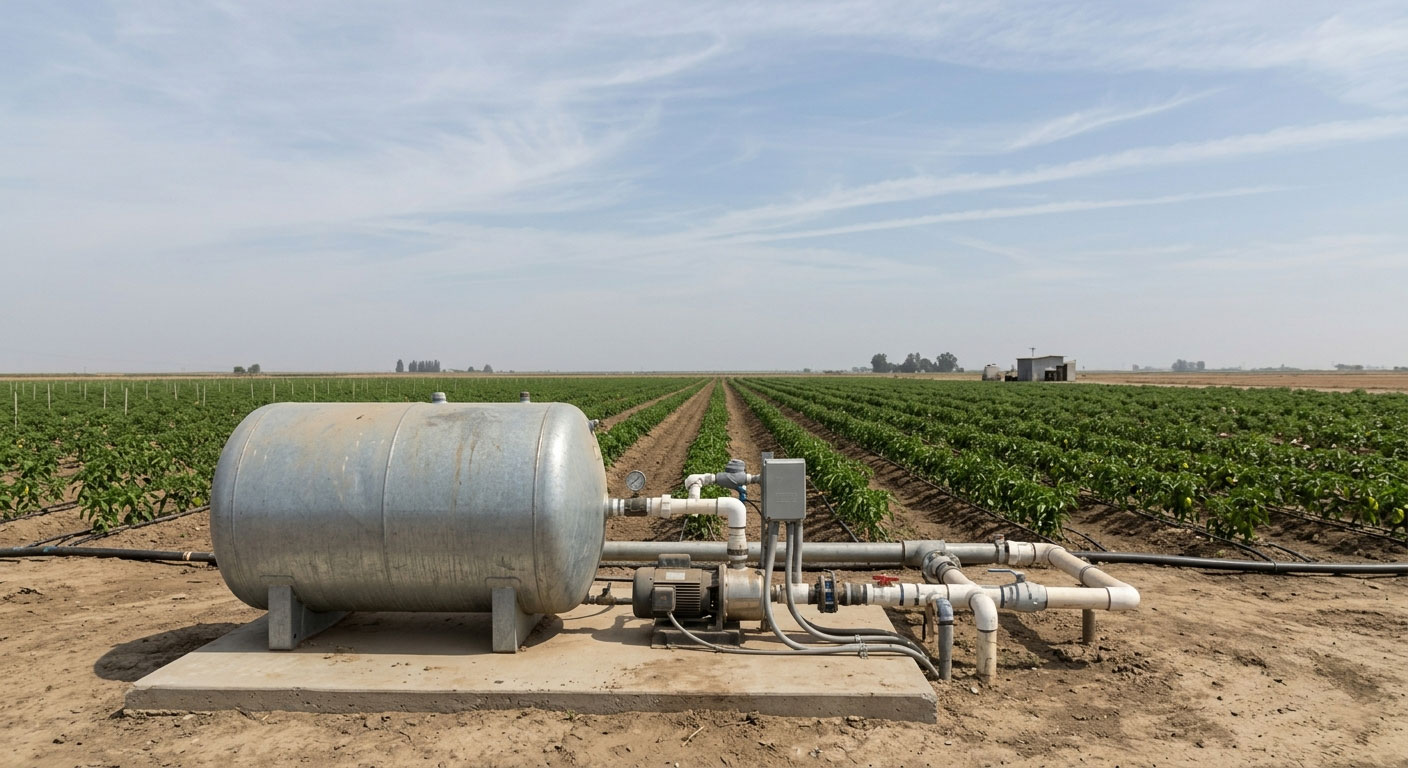
Running a small farm in Kings or Tulare County? Discover why undersized pressure tanks cause premature well pump failures, and learn how to size your water system correctly.
Preparing Your Agricultural Well & Irrigation Pumps for the Central Valley Summer Peak
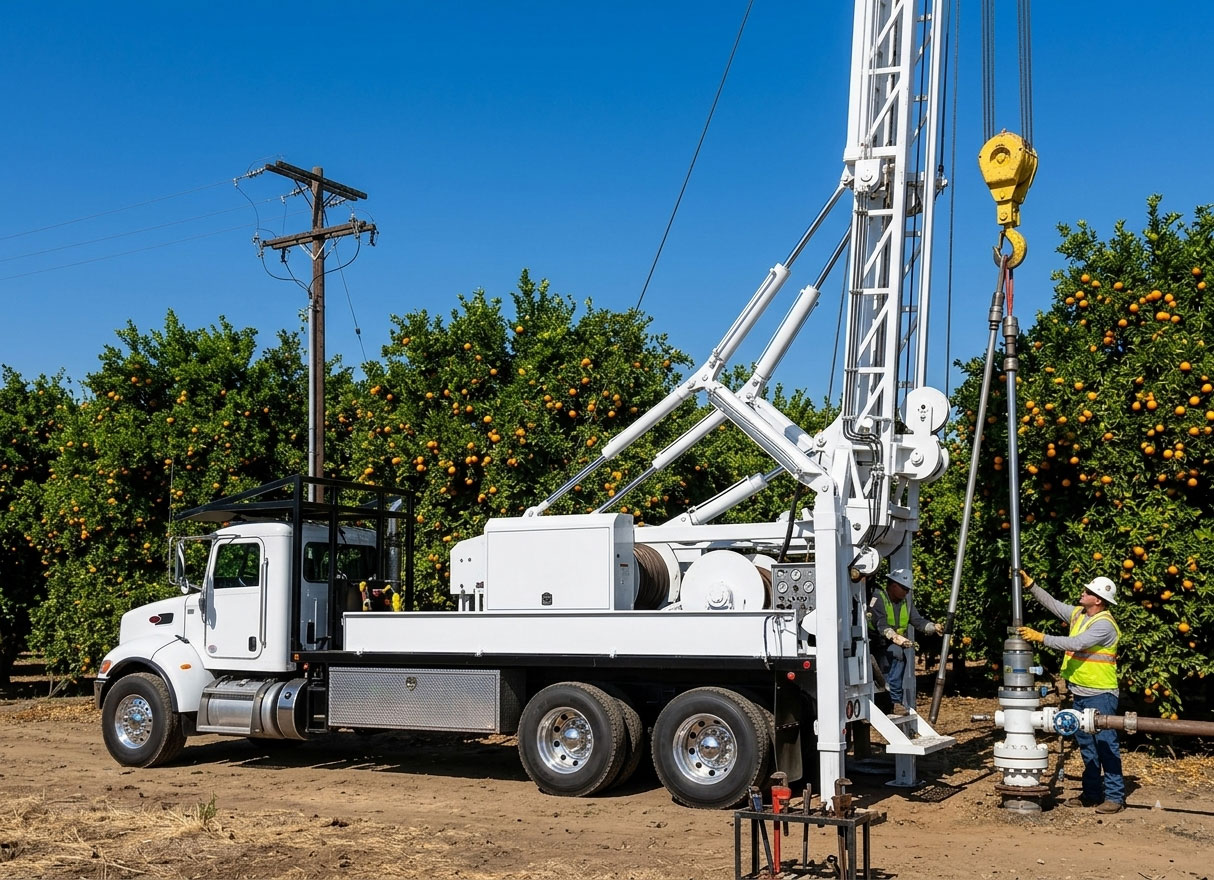
Prepare your agricultural irrigation pumps for the intense Central Valley summer peak. Learn how to check amp draw, monitor sand, and navigate dropping groundwater tables in Tulare County.
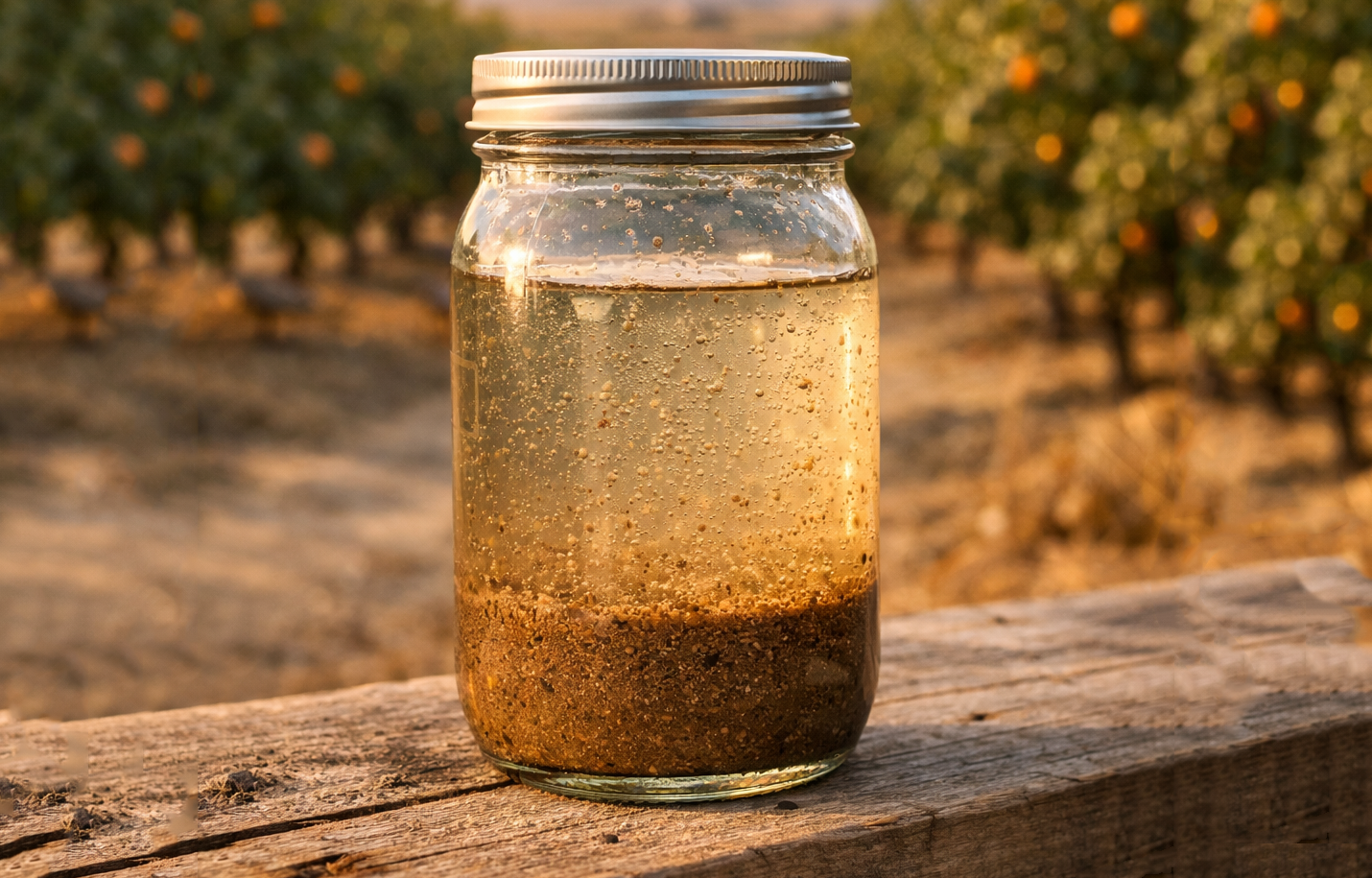
How Central Valley Soil and Sandy Aquifers Affect Your Well Water
Understand the geology of the San Joaquin Valley and how sandy alluvial aquifers affect your well water, pump wear, and drip irrigation systems.