Why Well Pumps Fail in the Summer: Central Valley Heat & Water Demand
If you live in Tulare, Visalia, or Exeter, you know exactly what happens when July hits: the thermometer climbs over 100°F, and suddenly, the water stops flowing. We get dozens of calls every summer from homeowners asking the same question: “Why does my well pump always seem to fail right when it gets hot?”
It isn’t just bad luck. It’s a direct combination of the brutal San Joaquin Valley heat and the massive spike in water demand we put on our systems during the dry summer months.
How Valley Heat Attacks Your Well System
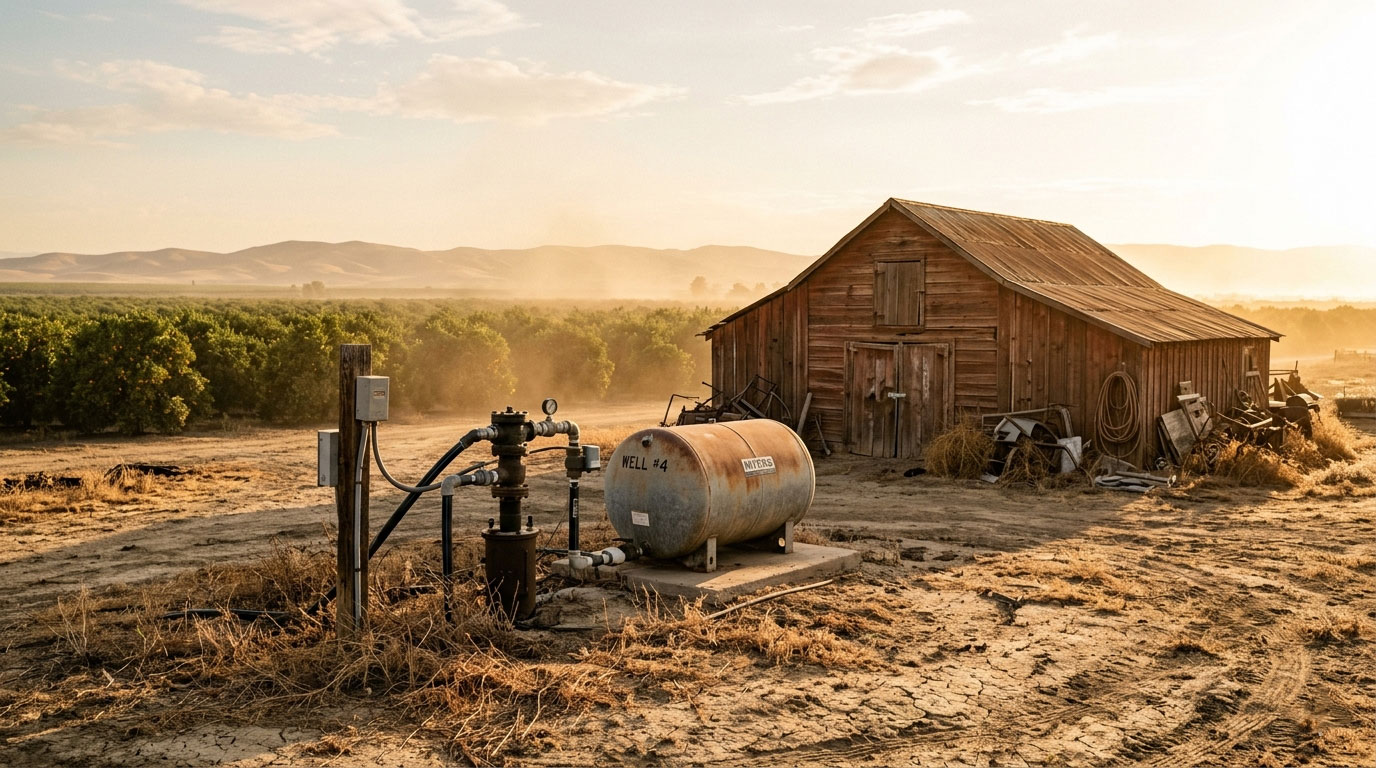
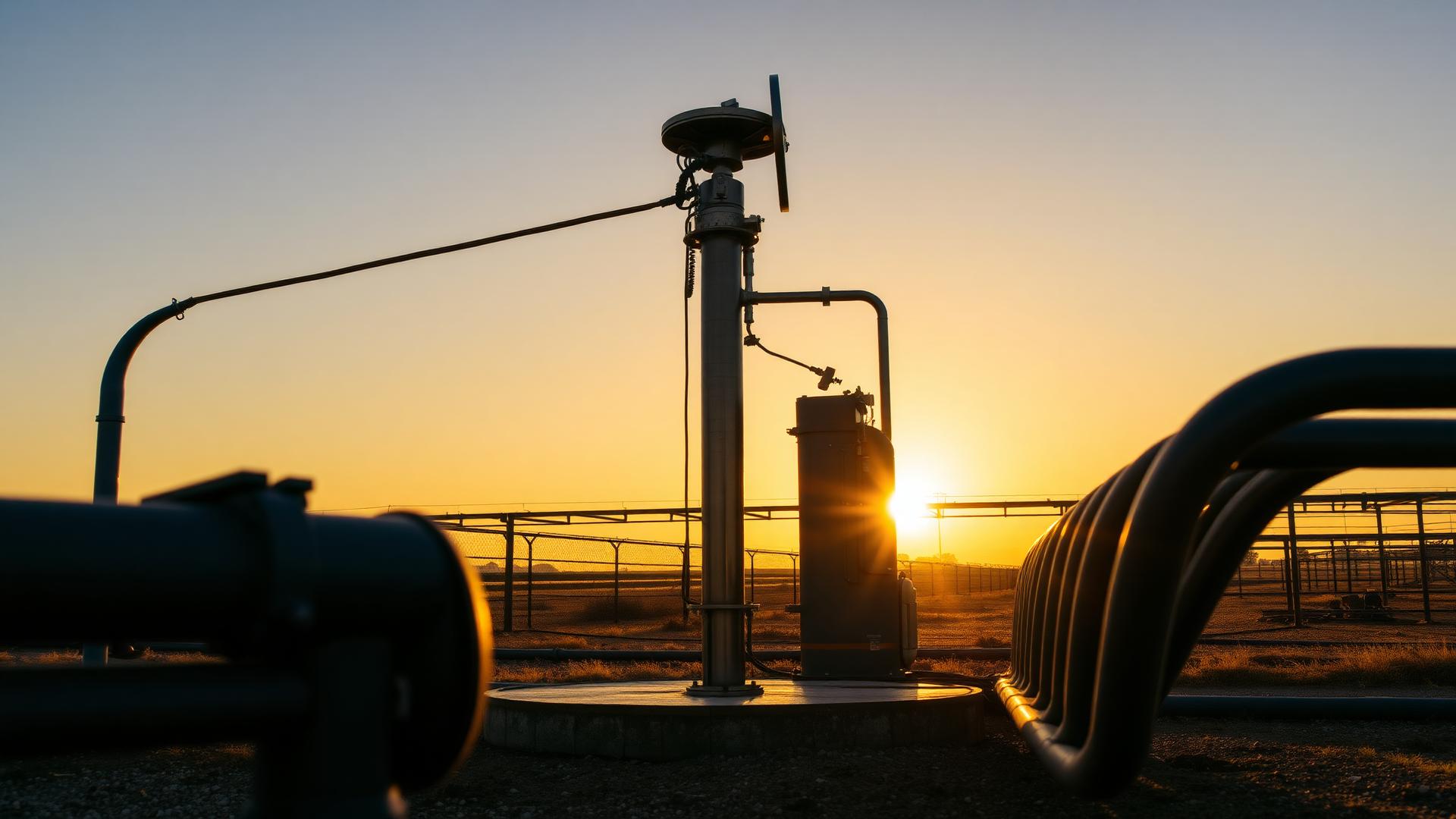
While your submersible pump motor sits relatively cool hundreds of feet underground, the above-ground infrastructure bears the brunt of the Central Valley heat.
- Capacitor Failure: Your well pump relies on a start capacitor inside the above-ground control box to kick-start the motor. These capacitors are highly sensitive to heat. When well houses hit 110°F or higher, capacitors swell, leak, and fail, leaving your pump unable to start.
- Increased Electrical Resistance: High temperatures naturally increase electrical resistance in wiring. If your electrical connections are slightly loose, corroded, or dirty, the summer heat will exacerbate the issue, drawing more amperage and tripping your circuit breakers.
- Thermal Motor Stress: While underwater, submersible motors still generate heat during operation. In the summer, pumps run longer cycles with less “rest” time between starts. Without sufficient downtime, the heat cannot dissipate, slowly degrading the motor windings.
Demand Spikes and System Stress
In the winter, your pump might only run occasionally to fill the tank for indoor showers and laundry. In the summer, homeowners add lawn sprinklers, swimming pools, livestock watering, and garden irrigation to the mix.
If your system was sized strictly for indoor residential use, it is likely being pushed beyond its limits during peak summer demand.
- Continuous High-Load Running: Running a pump constantly to supply multiple high-flow draw points simultaneously wears out impellers and bearings.
- Short Cycling Stress: If your pressure tank has a small or waterlogged bladder, the constant starting and stopping under high demand is a death sentence in the summer heat. Read our guide on Well Pump Short Cycling to check your tank before the heat hits.
How to Get Ahead of the Breakdown
You don’t have to wait for your water to stop running to inspect your system. Run through this preventative checklist before the next major heatwave:
- Test Your Pressure Tank: Tap the side of your tank. It should sound hollow at the top and solid/heavy at the bottom. If it sounds completely solid, it is waterlogged and needs immediate service to protect the pump. Learn how in our Small Farm Pressure Tank Sizing Guide.
- Inspect Your Breaker and Control Box: Ensure the well house is clear of weeds and dry brush to prevent fire hazards. Check the double-pole well breaker in your main electrical panel. If the breaker is hot to the touch or shows burn marks, call an electrician or pump specialist immediately.
- Monitor Water Level Recovery: During drought years, the water table drops. If your pump begins “chattering” or delivering air bubbles, your well’s recovery rate may be falling below your pump’s drawing speed.
Don’t Get Left Dry This Summer
At Ingram Pump & Equipment, we understand how the geology and climate of Tulare County affect private water systems. We provide fast, reliable emergency services across Visalia, Exeter, and surrounding areas.
- Check Our Residential Pump Services
- Get an Emergency System Quote
- Call us at (559) 734-3362 to restore your water fast
Frequently Asked Questions
Why does my well pump fail only during the summer?
In the San Joaquin Valley, triple-digit summer temperatures increase electrical resistance in above-ground control panels. Combined with heavy demand for lawn watering, pool filling, and household cooling, your pump runs longer and hotter, leading to electrical and mechanical breakdowns.
How does triple-digit Valley heat damage above-ground well parts?
Above-ground control boxes, pressure switches, and start capacitors are exposed to direct sunlight and extreme air temperatures. Heat causes capacitors to swell and fail, and increases electrical resistance, which can burn out starter relays.
How can I prevent a sudden summer well pump failure?
You can prevent failures by checking your pressure tank's air pre-charge, ensuring control boxes are clean and free of insect nests, keeping above-ground pipes shaded and insulated, and scheduling a professional pre-season inspection.
Related Articles
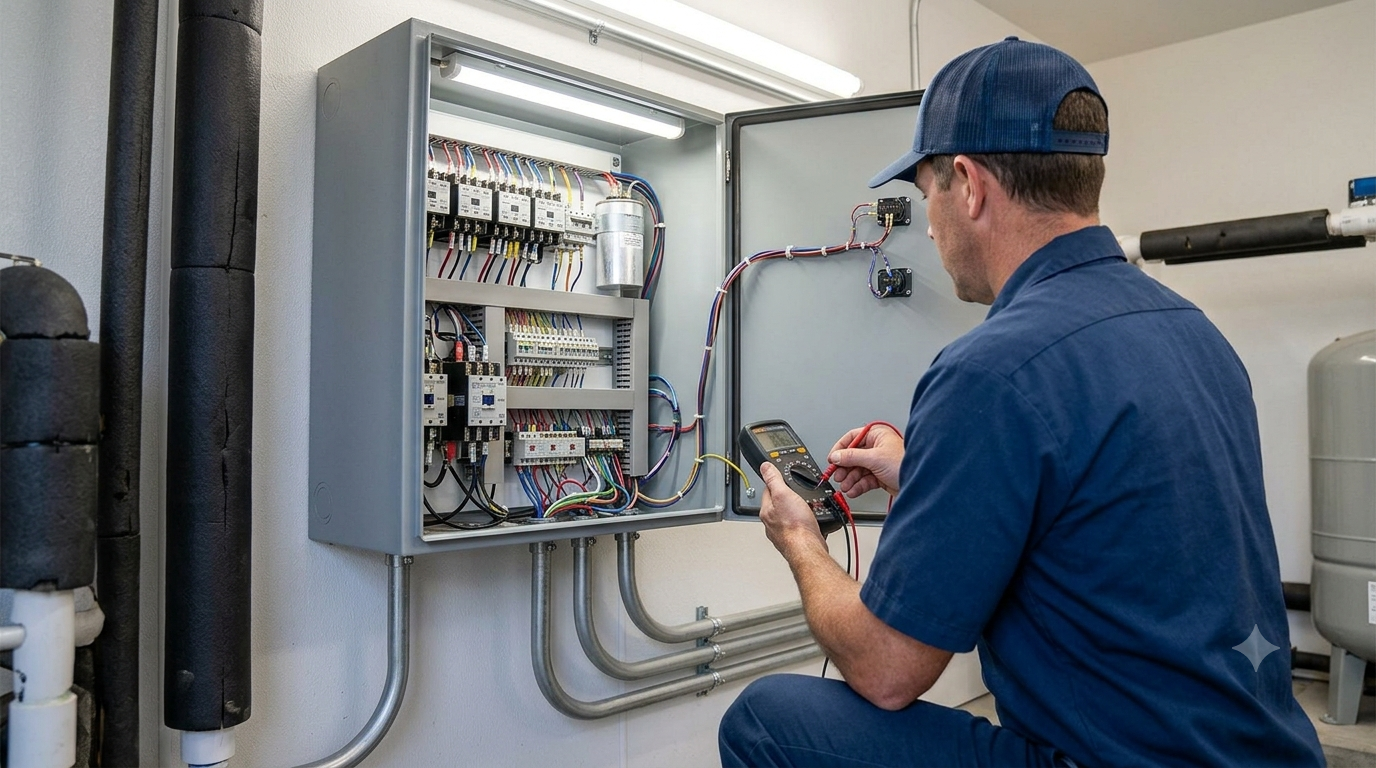
Inspecting Your Well’s Electrical System: Breakers, Wiring, and Control Boxes
A homeowner’s guide to well pump electrical systems. Learn how to inspect breakers, wiring, control boxes, and pressure switches safely to prevent system failure.
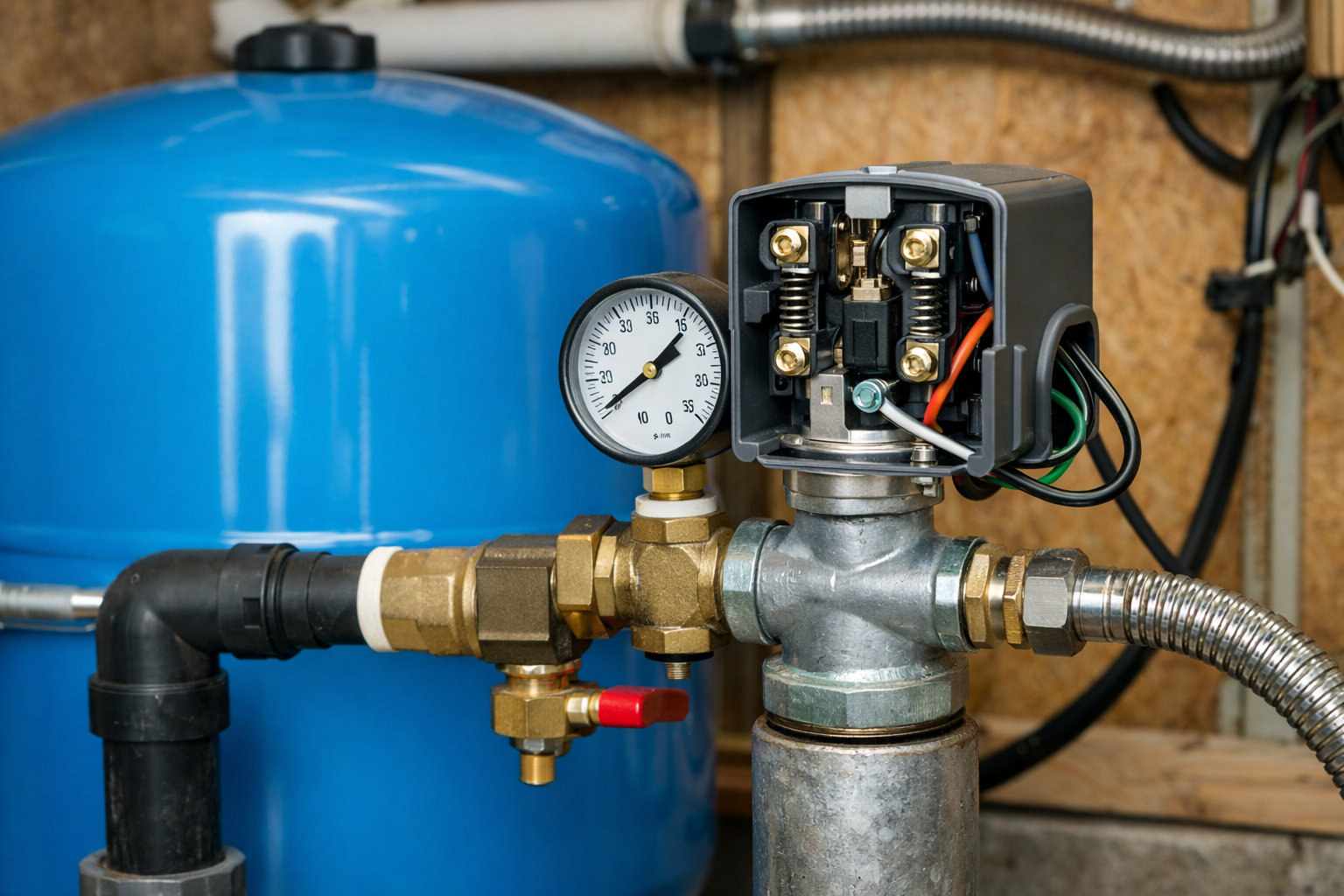
DIY Guide: Inspecting and Replacing Your Well’s Pressure Switch and Gauge
Learn how to safely inspect, clean, and replace your water well pressure switch and gauge. Follow our step-by-step DIY guide for Central Valley homeowners.
Why Is My Well Pump Not Starting? A Homeowner's Checklist
No water on your Central Valley property? Follow this step-by-step homeowner's well pump troubleshooting checklist to resolve common power and switch issues.