
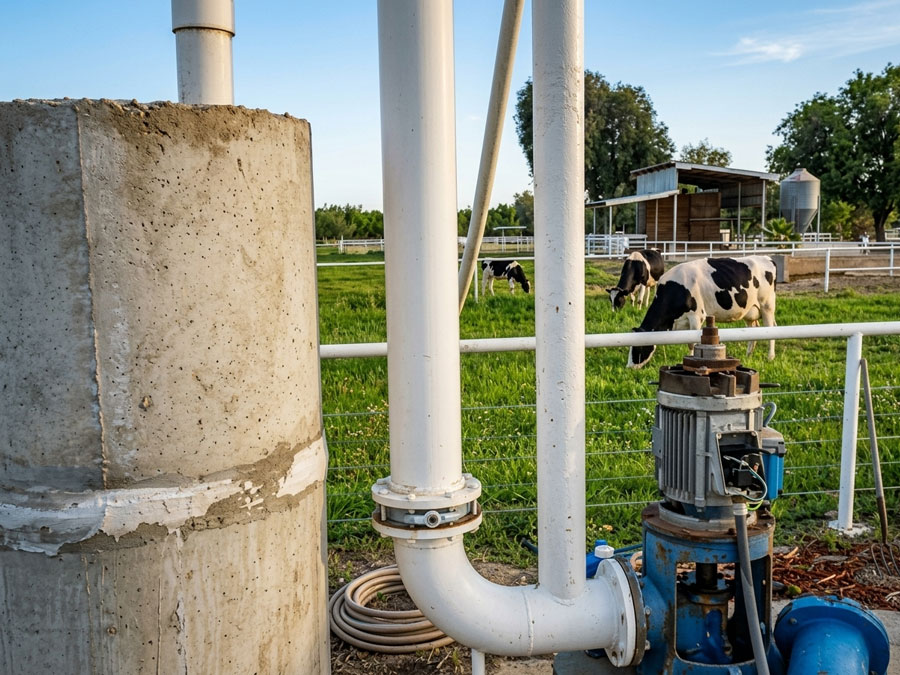
Off-Grid Well Water Systems: A Guide for Central Valley Homesteaders
Building an off-grid homestead in California’s Central Valley—whether you’re out in the Sierra foothills near Three Rivers or establishing a place on the flat acreage of western Kings or Tulare County—is a dream for many. But getting the water system right is usually the biggest challenge. When you’re disconnected from municipal lines, your well isn’t just a utility; it’s your absolute lifeline.
Foothills vs. Valley Floor
Before you buy any equipment, you have to look at where you are. The geology changes completely over just a few miles:
- The Sierra Foothills (Three Rivers, Springville, Badger): You’re likely drilling into solid granite. It’s hard work, and you might only get 1–3 gallons per minute (GPM). Because you can’t rely on a high-flow well, you must use a storage tank setup so you don’t run the well dry during a shower or while watering the garden.
- The Valley Floor (Visalia, Tulare, Hanford, Lemoore): You’re usually dealing with thick layers of sand and silt. You’ll likely get more water, but you’ll have a different problem: sand. If your pump isn’t set up right, that fine grit will act like sandpaper and eat your pump alive.
Submersible vs. Jet Pumps
For off-grid setups, forget jet pumps. They sit above ground, are loud, and are prone to losing their prime. More importantly, when it’s 105°F in the summer, they struggle with heat and often fail.
Go with a submersible pump. They sit deep in the water, which keeps them cool. Pushing water up is also much more efficient than pulling it from the surface, which matters when you are trying to stretch your battery or solar capacity.
The Secret to Reliable Off-Grid Water: Storage
Don’t try to store electricity; store water. Electricity is expensive and finicky to store; water is cheap.
- Upsize your pressure tanks: If you’re running off an inverter, every time your pump turns on, it causes a huge electrical surge. A big pressure tank (or several in a row) means the pump kicks on less often. That saves your batteries and extends the life of your pump motor.
- Gravity feed systems: This is what we recommend most for off-grid setups. We use a small, efficient solar pump to slowly fill a large storage tank (2,500–5,000 gallons) on high ground during the day. Then, water just flows down to your house by gravity. It’s simple, it’s reliable, and it doesn’t depend on your batteries working perfectly every single time you turn on a faucet.
Common Mistakes We See
We get called out to fix a lot of “DIY” designs. Here is what usually goes wrong:
- Inverters that are too small: A pump needs a massive spike of power just to start spinning. If your inverter is sized only for what the pump needs while it’s already running, it’ll trip every time the pump tries to start.
- Skipping the water test: Just because it looks clear doesn’t mean it’s safe. We see plenty of wells in our area with high nitrates from farming or natural arsenic. Before you start drinking it, get a professional, certified lab test.
- Ignoring the paperwork: You cannot bypass the county health department. Whether you’re drilling a new well or decommissioning an old one, you need a permit.
When to Call a Pro
If you’re building a fence or running some surface hoses, that’s great DIY work. But don’t mess with the underground plumbing and high-voltage wiring for your well pump. We’ve seen homeowners try to pull a pump column by hand and end up dropping it down the hole, turning a simple repair into a nightmare.
We drilled a well outside Three Rivers last summer where the homeowner had enough water for the house but not enough to irrigate. Adding a storage tank solved the problem without drilling deeper. That’s the kind of local experience we bring to the table.
If you’re planning your off-grid system and want to get it right the first time, give the Ingram family a call. We’ve been keeping the water flowing around here since 1947.
- Need a system quote? Request one here.
- Questions? Call us at (559) 734-3362.
Frequently Asked Questions
Are submersible pumps better than jet pumps for off-grid wells?
Yes. Submersible pumps are more efficient and stay protected deep in the well, out of the extreme valley heat that ruins surface equipment.
How does solar power run a residential well pump?
Solar systems can either power a DC pump directly to fill a tank during the day, or run a standard pump off a battery/inverter bank for on-demand water.
Do I need a permit for an off-grid water well in Tulare County?
Yes, all water wells in California require permits and must meet local health and GSA guidelines, no matter how remote your property is.
Related Articles
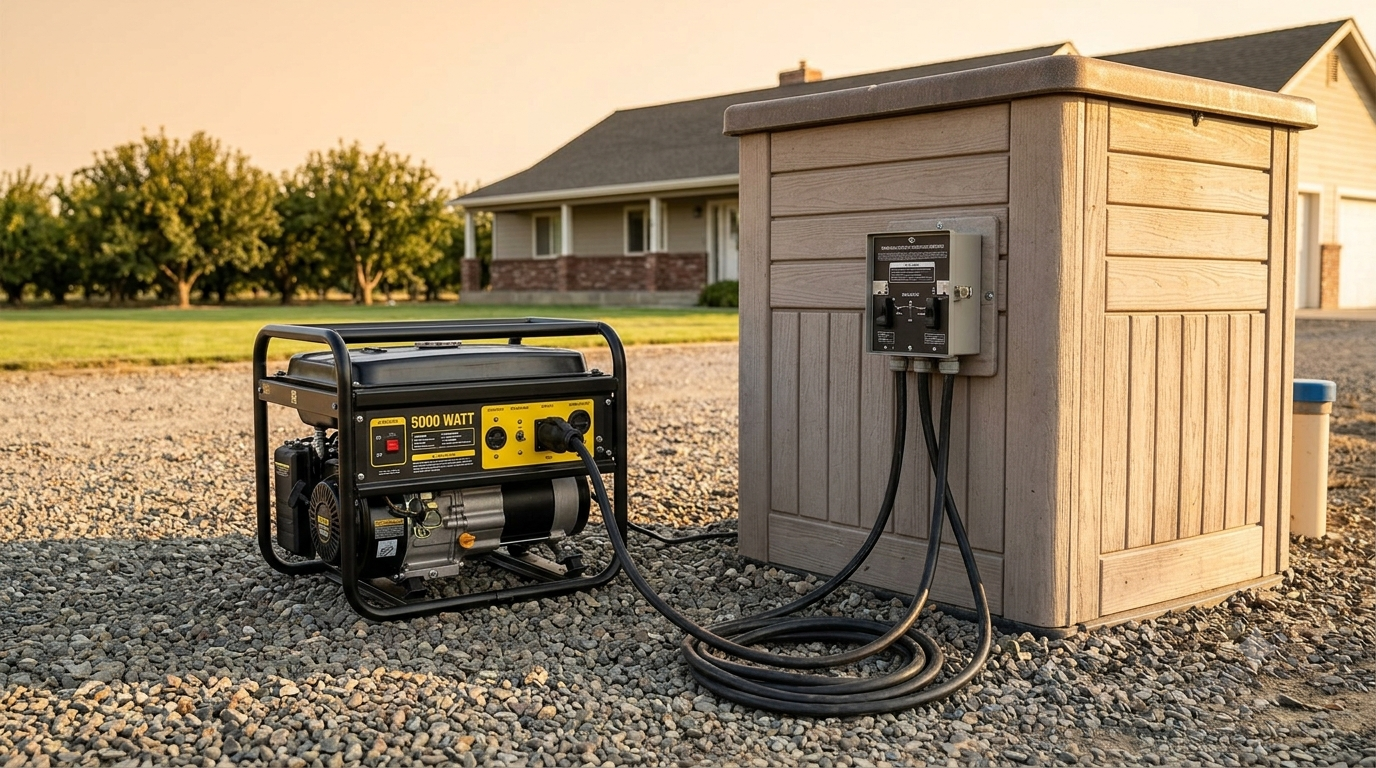
Powering Your Well Pump During Outages: Backup Generators & Solar Options
A comprehensive guide on running your well pump during utility power outages. Learn how to size generators, set up backup solar systems, and ensure off-grid power security.
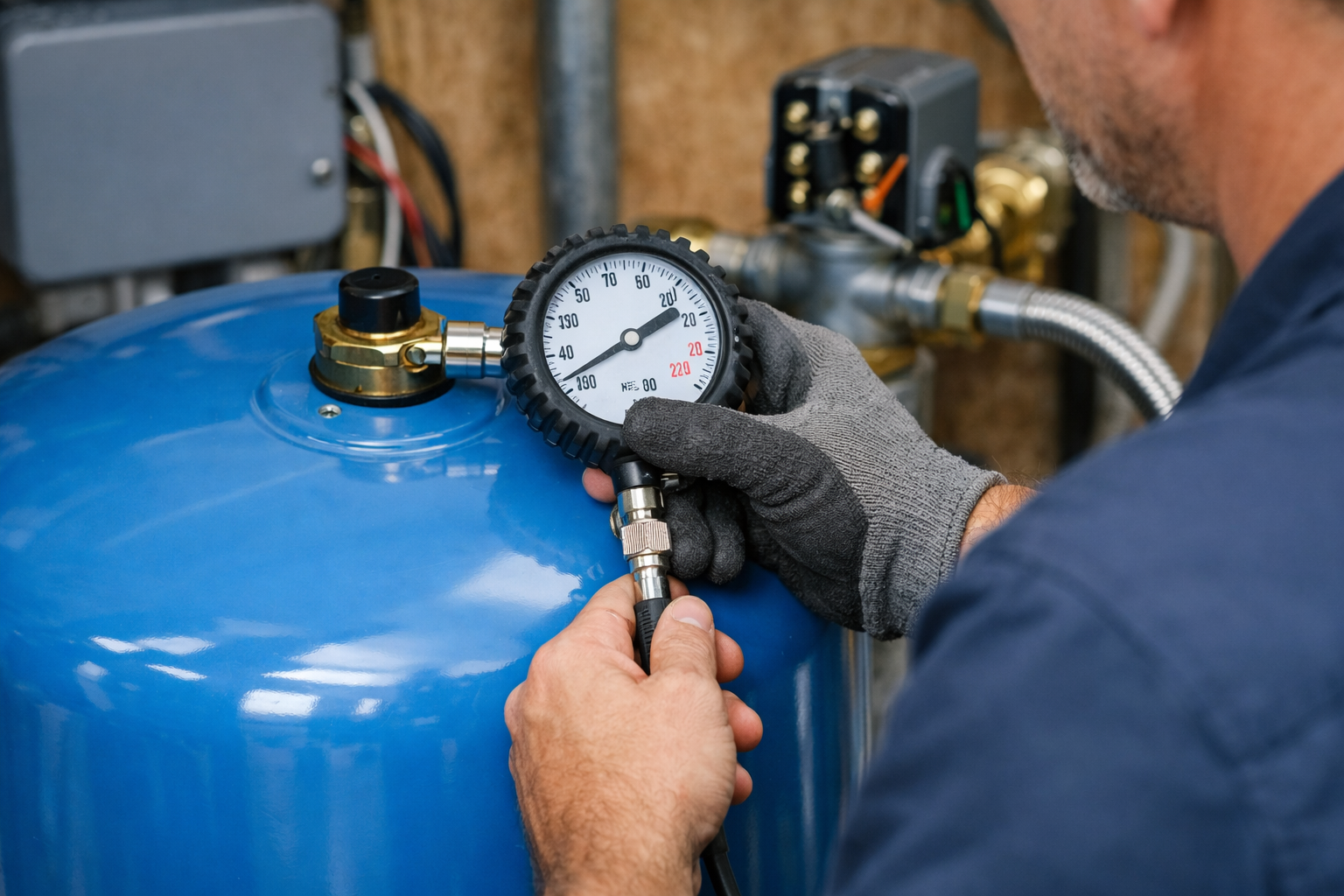
DIY Well Pressure Tank Care: Checking Air Charge and Precharge Pressure
A step-by-step DIY guide on checking, testing, and recharging your water well pressure tank air precharge pressure to extend your pump lifespan.
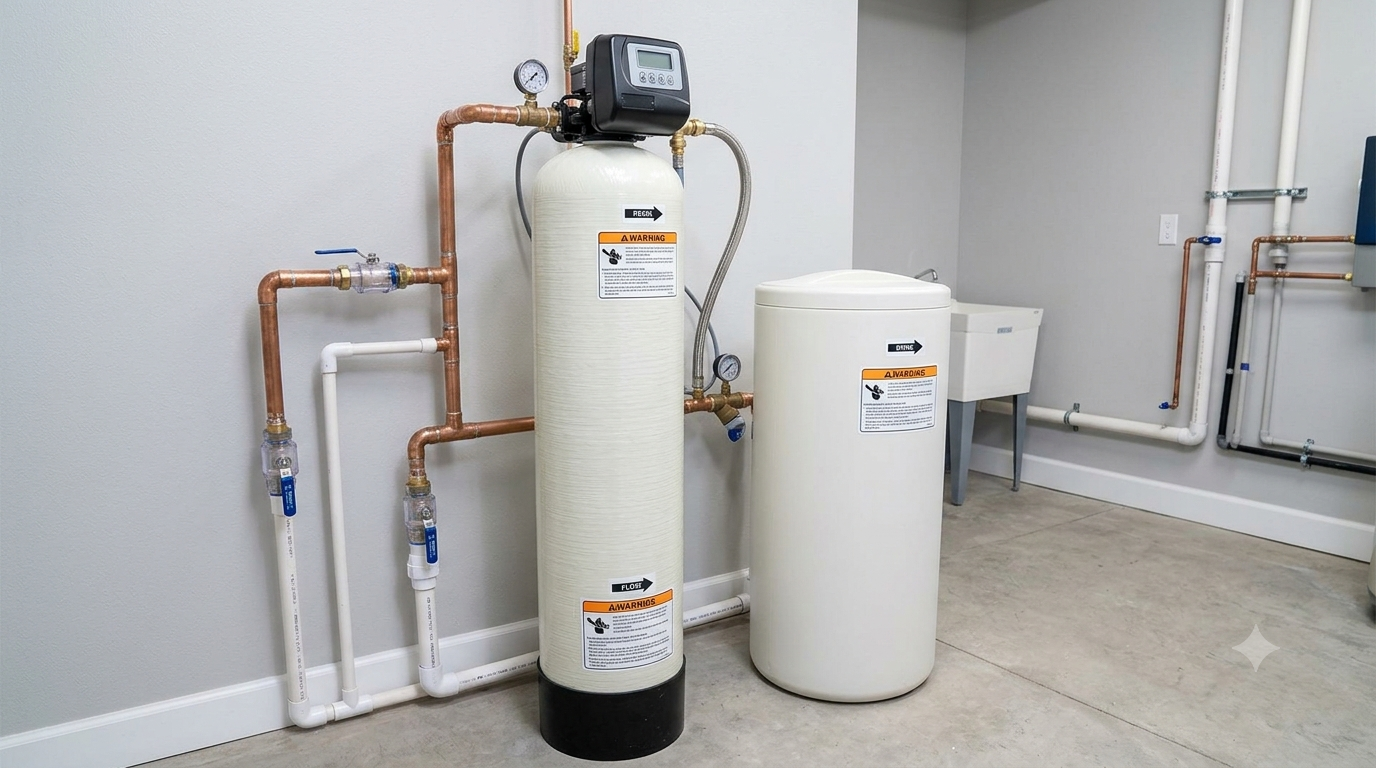
Hard Water Treatment for Private Wells: Calcium Scale Prevention
Struggling with calcium scale from private well water? Learn how hard water damages your pump and plumbing, and find out the best water softener and filtration solutions.