Hard Water Treatment for Private Wells: Calcium Scale Prevention
If you live in Visalia, Tulare, or Hanford, you are likely highly familiar with the white, crusty, chalk-like deposits that accumulate around your kitchen faucets, showerheads, and dishwasher doors. This is calcium carbonate scale, the direct hallmark of hard groundwater.
While mineral hardness is a natural geological feature of Central Valley aquifers and is completely safe to drink, it is a silent, costly destroyer of private plumbing, home appliances, and your underground well pump. Learning how to manage and treat hard water can save you thousands of dollars in premature replacement costs.
How Hard Water Accumulates Scale
As rain and snowmelt filter down through the Sierra foothills into our alluvial valley aquifers, the water dissolves natural minerals in the soil, primarily calcium carbonate and magnesium.
- Thermal Scale Precipitation: When hard water is heated (such as inside your hot water heater) or experiences sudden pressure changes (such as inside a high-speed pump impeller), these dissolved minerals precipitate out of the water, crystallizing into a rock-hard crust known as scale.
- The Insulator Effect: Scale buildup acts as an thermal insulator. Just 1/4 inch of calcium scale inside your hot water heater can increase its energy consumption by over 40% because the burner must heat the rock crust before it can heat the water.
The Damage Scale Inflicts on Well Systems
Many well owners understand how hard water ruins laundry and spots glassware, but they overlook the underground damage:
- Choking Submersible Impellers: Submersible well pumps contain stacks of plastic or brass impellers spinning at high speeds. Calcium scale builds up on these impellers, narrowing water channels, reducing flow rates, and forcing the motor to draw more amperage to push water. Read about pump life factors in How Long Well Pumps Last.
- Clogging Pressure Switches: The 1/4-inch sensing nipple leading to your pressure switch is highly susceptible to scale clogging. A blocked switch cannot sense pressure changes, leaving your pump unable to turn on or run continuously. Read how to fix this in DIY Pressure Switch Replacement.
- Failing Tank Valves: Scale deposits settle around your pressure tank’s check valves and relief valves, preventing them from sealing fully. This leads to backflow issues and pressure leaks.
Solutions: Choosing the Right Hard Water Treatment
To protect your home and well system, you must install an appropriate mineral treatment system:
1. Ion-Exchange Water Softeners (Salt-Based)
This is the only treatment that physically removes hardness minerals from your water.
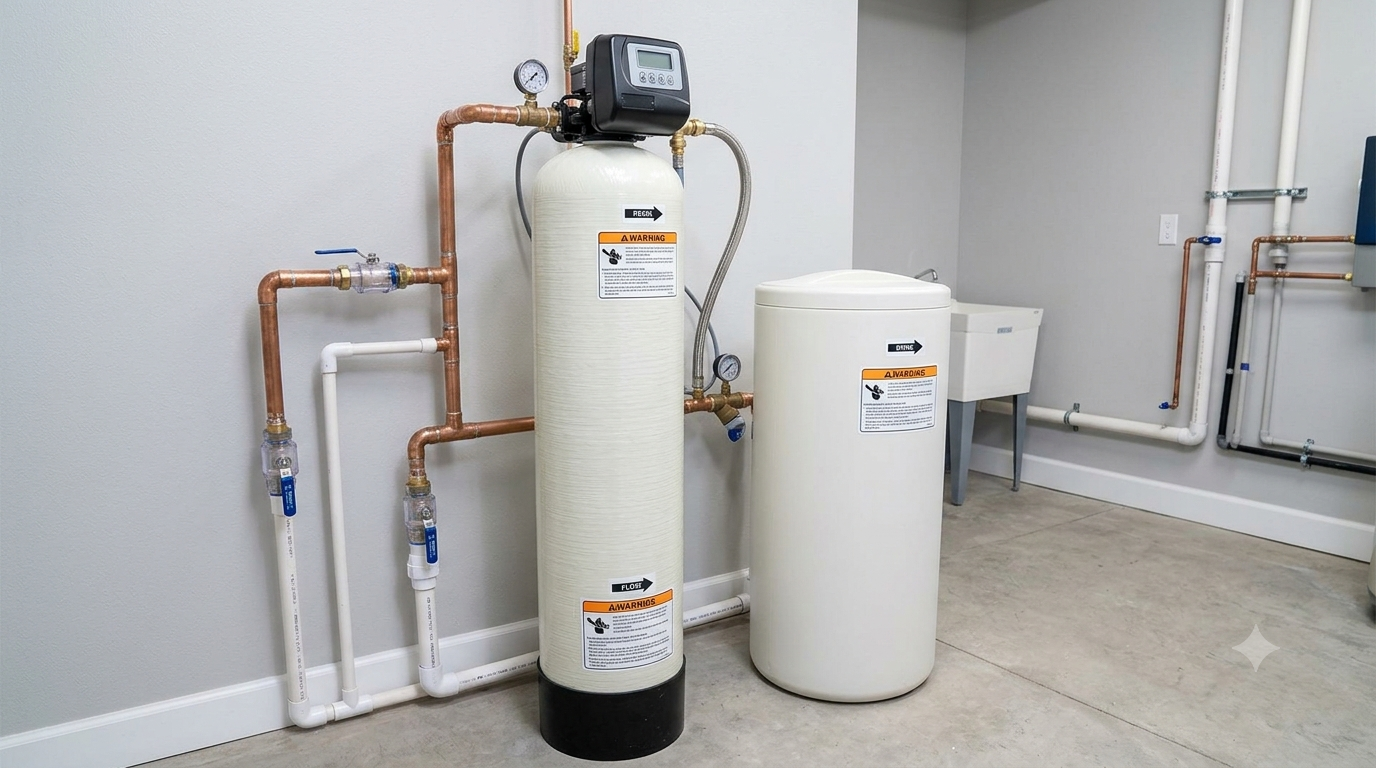
- How it Works: Hard water passes through a tank filled with polystyrene resin beads coated in sodium ions. The calcium and magnesium minerals bind to the beads, displacing the sodium.
- The Result: Completely “soft” water that cannot form scale, protecting your pipes, hot water heater, and household appliances. The system periodically regenerates by flushing the beads with a saltwater brine solution.
2. Catalytic Water Conditioners (Salt-Free)
If you are on a sodium-restricted diet or want to avoid salt maintenance, salt-free conditioners are an option.
- How it Works: These systems use a specialized media template to convert dissolved calcium carbonate into micro-crystals.
- The Result: The minerals remain in the water but are chemically locked in a crystalline form, preventing them from sticking to pipe walls or heating elements. Note that they do not soften water for soap lathering or reduce mineral spotting.
3. Citric Acid Flushes (For Irrigation and Drip Lines)
For growers struggling with scale-clogged drip irrigation emitters in orchards, executing a routine flush with a food-grade citric acid solution dissolves the calcium crust, restoring emitter flow. Learn about agricultural water care in Citrus and Nut Grove Well Solutions.
Protect Your Plumbing and Well System
At Ingram Pump & Equipment, we analyze your well water’s exact grain-hardness rating and design custom, high-capacity water softening and filtration systems to keep your home’s pipes and underground pump scale-free.
- Check Our Residential Water Treatment Services
- Schedule a Professional Water Hardness Test
- Call the Ingram Team at (559) 734-3362 to protect your equipment
Frequently Asked Questions
What is hard water and is it safe to drink?
Hard water is water rich in dissolved minerals, primarily calcium and magnesium carbonate. It is completely safe to drink, but highly destructive to household plumbing, appliances, and well pumps.
How does hard water damage deep well pumps?
As hard water heats up or undergoes pressure changes inside the pump, dissolved minerals crystallize. This leaves a white, rock-hard calcium scale crust inside the pump chambers, clogging impellers and causing the motor to overheat.
Do salt-free water conditioners remove calcium?
No. Salt-free conditioners do not remove calcium minerals from the water. Instead, they alter the chemical structure of the minerals to prevent them from sticking to surfaces. To physically remove hardness, you must use an ion-exchange water softener.
Related Articles
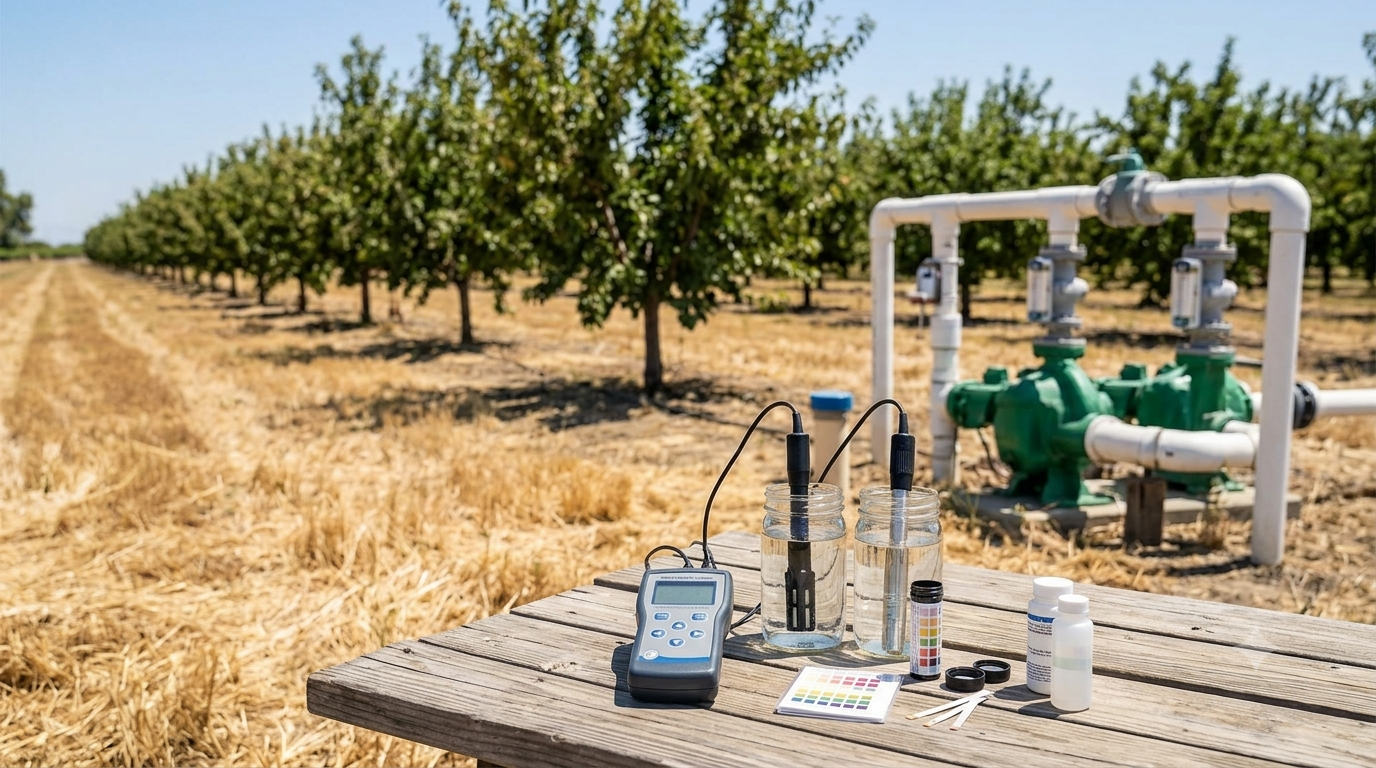
Testing and Ensuring Safe Well Water in California’s Central Valley
A comprehensive guide to water well testing, identifying local contaminants like nitrates and arsenic, and choosing filtration systems in the San Joaquin Valley.
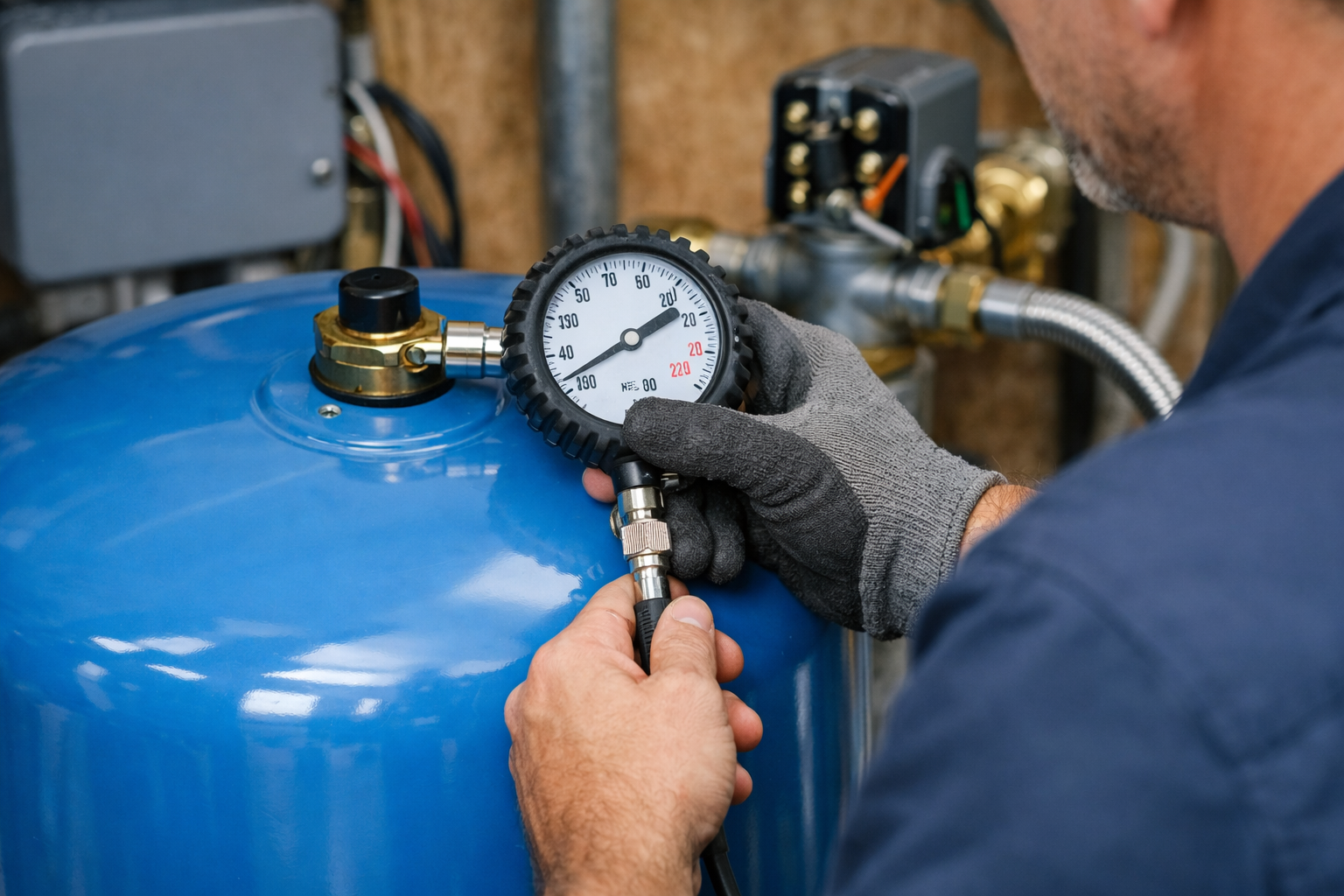
DIY Well Pressure Tank Care: Checking Air Charge and Precharge Pressure
A step-by-step DIY guide on checking, testing, and recharging your water well pressure tank air precharge pressure to extend your pump lifespan.
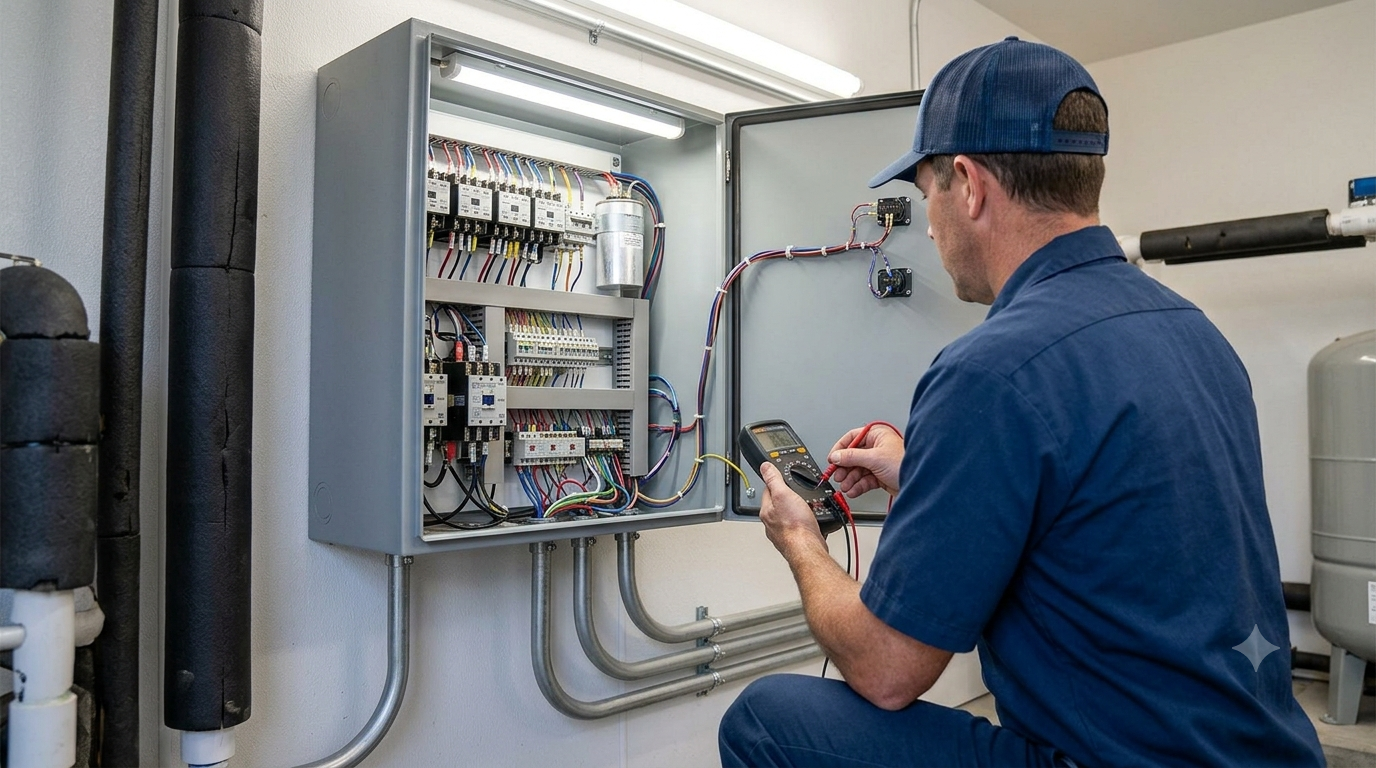
Inspecting Your Well’s Electrical System: Breakers, Wiring, and Control Boxes
A homeowner’s guide to well pump electrical systems. Learn how to inspect breakers, wiring, control boxes, and pressure switches safely to prevent system failure.