Testing and Ensuring Safe Well Water in California’s Central Valley
If your home or farm relies on a private water well, you are enjoying pure, fresh groundwater untouched by municipal chemicals like chlorine or flouride. However, being on a private system also means you are 100% responsible for your own water safety.
Because groundwater is located beneath the surface, it is highly susceptible to localized geological minerals and agricultural runoff. In California’s Central Valley, ensuring your well water is clean and safe is a vital responsibility for every landowner.
Major Groundwater Contaminants in the Central Valley
The San Joaquin Valley contains some of the most productive agricultural land in the world, but years of farming and local geology have left specific mineral footprints in our shared aquifers:
- Nitrates ($NO_3$): Nitrates are highly water-soluble chemical compounds from nitrogen-rich agricultural fertilizers, dairy manure, and septic systems. When rainwater or irrigation flows downward, it carries nitrates into the shallow aquifers. Nitrates are highly dangerous to infants (“blue baby syndrome”) and pregnant women.
- Arsenic (As): Unlike nitrates which come from surface runoff, arsenic is a naturally occurring heavy metal found deep within the alluvial sediments of the Central Valley floor. Consuming water with high arsenic levels over many years is linked to severe health risks.
- Mineral Hardness (Calcium & Magnesium): While not a direct health hazard, “hard water” is highly destructive to plumbing. It leaves a white crusty scale on faucets, chokes the efficiency of your hot water heater, and clogs the internal chambers of your well pump. Read about scale issues in How Long Do Well Pumps Last.
Step-by-Step: Testing Your Well Water
Because many dangerous contaminants (like nitrates and arsenic) are completely odorless, colorless, and tasteless, the only way to know if your water is safe is to test it.
1. Avoid Relying Solely on DIY Strip Tests
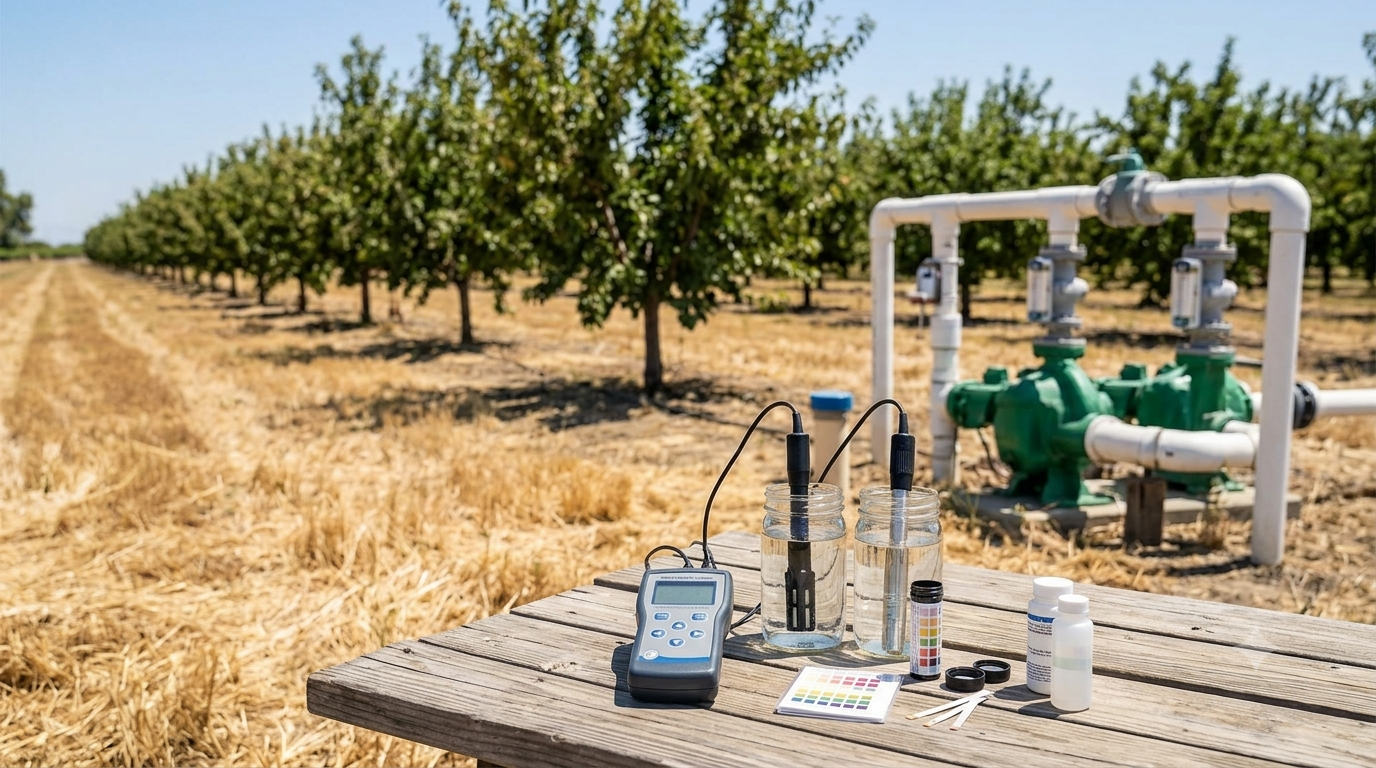
Simple, over-the-counter DIY paper strip test kits are fine for checking basic pH levels or chlorine in a swimming pool, but they are not accurate enough to confirm water safety for drinking.
2. Use a State-Certified Laboratory
Always use a laboratory certified by the California State Water Resources Control Board. These labs use advanced chemical testing to measure parts-per-billion (ppb) concentrations of heavy metals and pathogens.
3. Draw the Sample Correctly
- Run an outdoor faucet directly at the well-head (before any water filters) for 5 minutes to clear out sitting water in the pipes.
- Fill the laboratory-provided sterile containers exactly as instructed.
- Keep the sample cold and transport it to the local lab within 24 hours.
Solution Guide: Filtration and Treatment Options
If your laboratory report reveals contaminants above the safe limits, you must install a dedicated water treatment system:
Reverse Osmosis (RO) Systems
A point-of-use Reverse Osmosis system is the gold standard for drinking water. It forces pressurized water through a microscopic membrane, removing over 95% of dissolved solids, including heavy metals, nitrates, and arsenic.
Whole-House Water Softeners
If your water has high mineral hardness, an ion-exchange water softener replaces calcium and magnesium ions with sodium ions. This eliminates scale buildup, protecting your dishwasher, pipes, and hot water heater.
UV Disinfection Systems
If your laboratory test shows positive results for Coliform or E. coli bacteria, a Ultraviolet (UV) light system is a safe, chemical-free way to neutralize pathogens, scrambling their DNA as water passes through a chamber.
Shock Chlorination (DIY Disinfection)
If your well casing has been contaminated during recent repairs or flooding, a technician can perform a temporary “shock chlorination” treatment. They pour concentrated chlorine bleach down the well shaft, circulate it through all household lines, let it sit for 12 to 24 hours, and then flush it completely until the chlorine smell is gone.
Ensure Your Family’s Water is Safe
At Ingram Pump & Equipment, we don’t just keep the water flowing—we ensure it is completely safe for your family. We offer comprehensive, certified laboratory sampling and design custom-engineered filtration systems tailored to your specific aquifer chemistry.
- Explore Our Water Quality & Filtration Services
- Schedule a Certified Water Quality Sampling Test
- Call the Ingram Team today at (559) 734-3362 to secure your water safety
Frequently Asked Questions
What are the most common contaminants in Central Valley well water?
The three most common contaminants are: 1) Nitrates from agricultural fertilizers and dairies, 2) Naturally occurring arsenic from deep rock formations, and 3) High levels of calcium and magnesium (hard water) which cause scale buildup.
How often should I test my private well water?
California health guidelines recommend testing private wells at least once a year for bacteria and nitrates, and every 2 to 3 years for heavy metals like arsenic, uranium, and lead.
Does boiling well water remove nitrates and arsenic?
No. Boiling well water actually concentrates nitrates and heavy metals because water evaporates while the minerals remain behind. Never boil water containing high nitrates; instead, use specialized filtration like reverse osmosis.
Related Articles
Hard Water Treatment for Private Wells: Calcium Scale Prevention
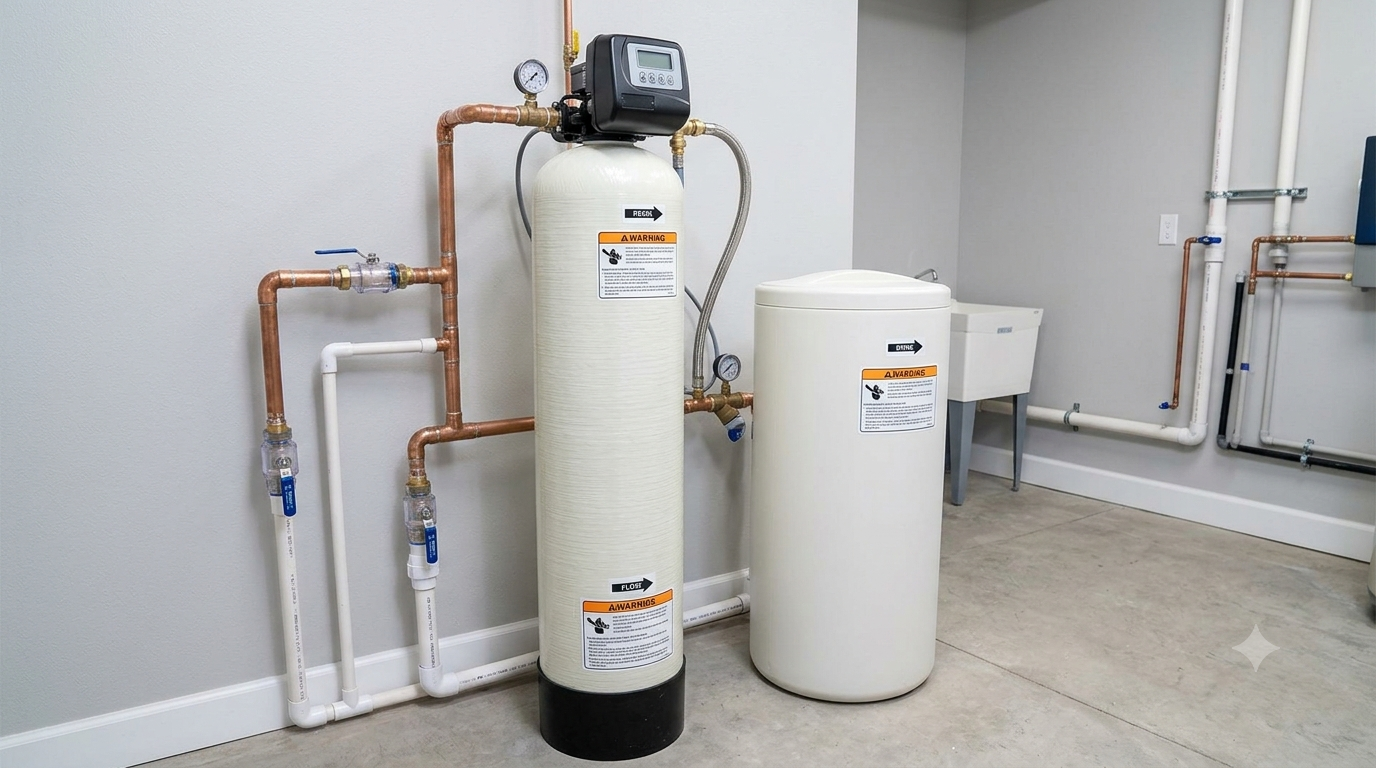
Struggling with calcium scale from private well water? Learn how hard water damages your pump and plumbing, and find out the best water softener and filtration solutions.
DIY Well Pressure Tank Care: Checking Air Charge and Precharge Pressure
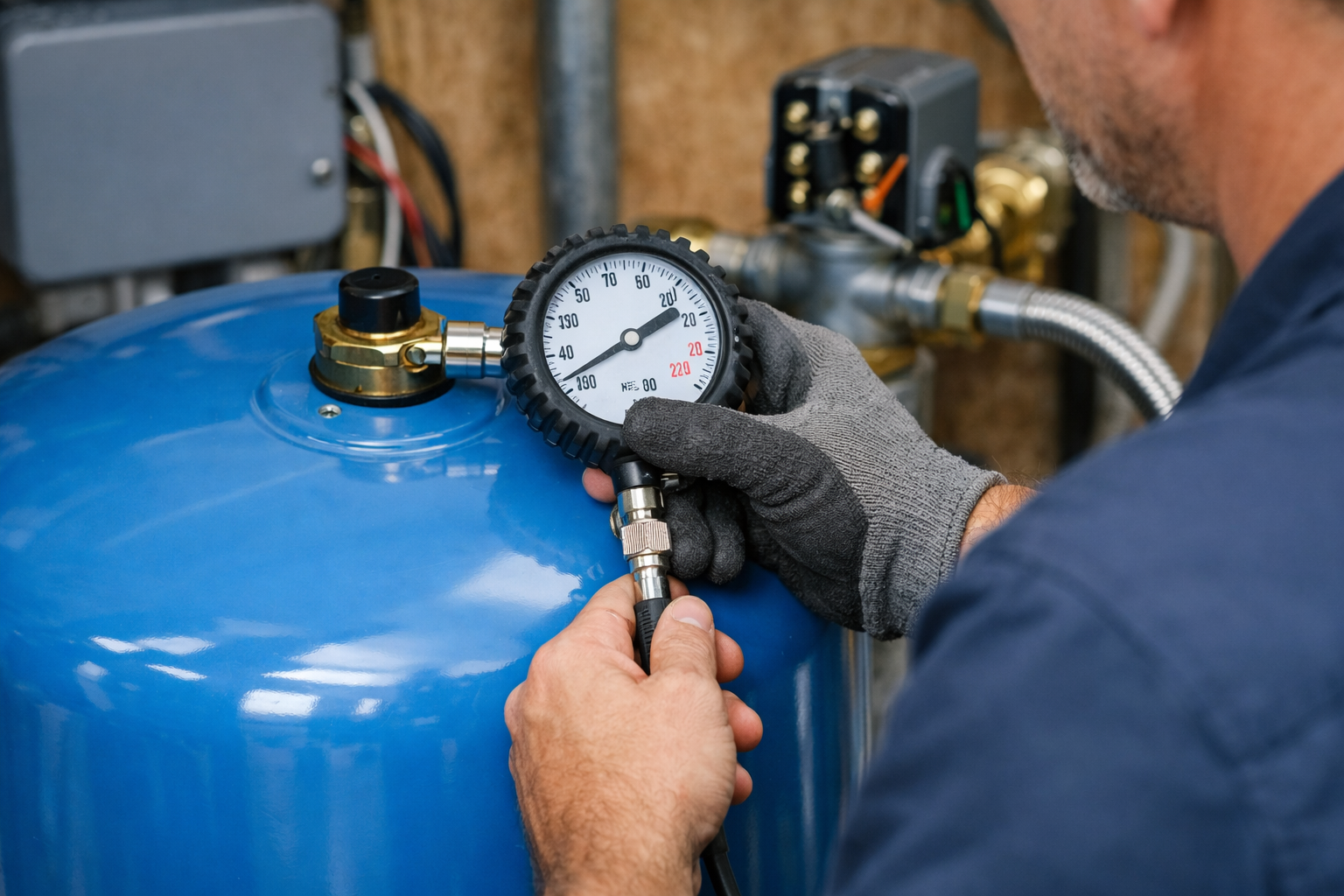
A step-by-step DIY guide on checking, testing, and recharging your water well pressure tank air precharge pressure to extend your pump lifespan.
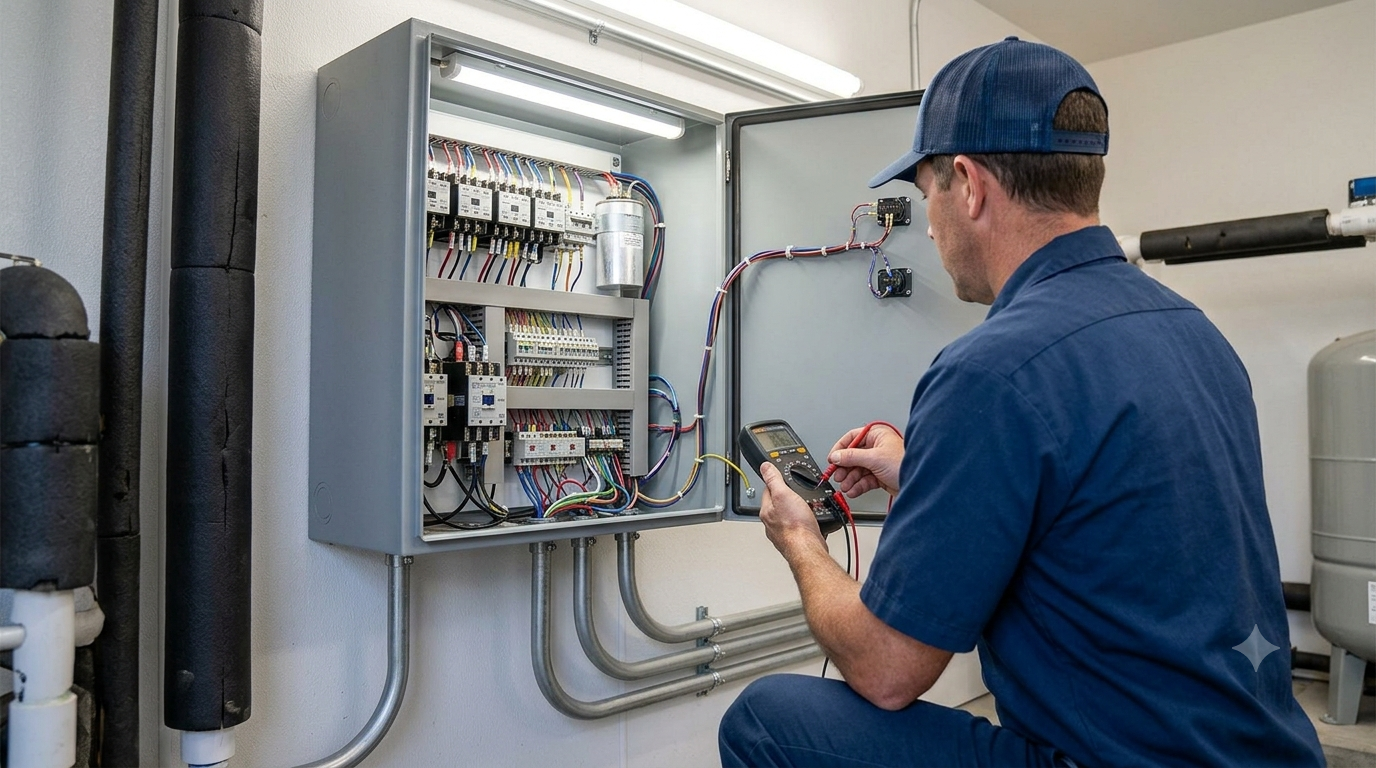
Inspecting Your Well’s Electrical System: Breakers, Wiring, and Control Boxes
A homeowner’s guide to well pump electrical systems. Learn how to inspect breakers, wiring, control boxes, and pressure switches safely to prevent system failure.