California Well Abandonment: Rules for Tulare County Landowners
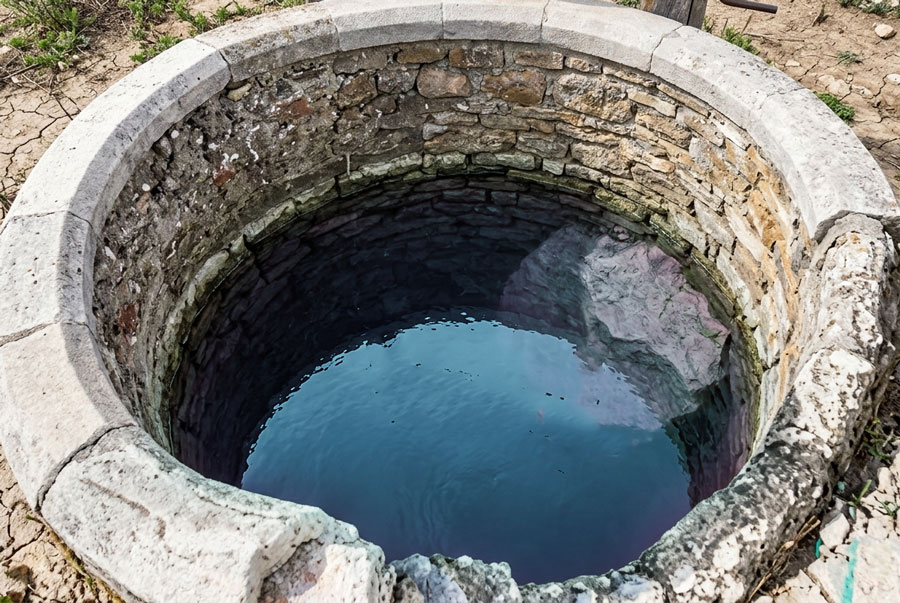
An old, unused well on your property isn’t just taking up space—it’s a major legal and environmental headache. If you leave an abandoned well open, you’re responsible if it contaminates the groundwater. That’s why California requires them to be properly sealed.
If you have a dry well on your ranch or residential acreage, here is the plain truth about what you need to do.
Why Abandonment is Mandatory
Think of a well as a vertical highway leading straight to the underground water supply. The earth normally filters rainwater as it trickles down through soil and sand. An open, unsealed well bypasses that filter.
If pesticides, fertilizer, animal waste, or spilled fuel wash into an old well, they go straight into the shared aquifer. This doesn’t just put your own water at risk; it can contaminate your neighbors’ wells and the local water supply.
Beyond the environmental risk, there is a serious safety issue. Open, poorly covered well shafts are severe safety hazards for children, pets, and livestock. If someone gets hurt on your land because of an unsecured well, you are liable.
The Professional Decommissioning Process
You cannot simply pour dirt down an old well. It is illegal to DIY this, and frankly, it doesn’t work. Dirt is porous; water will just continue to trickle through it, carrying contaminants straight down.
California law requires decommissioning to be performed by a C-57 licensed well contractor. The process is precise:
- Clearance: We have to pull out all the old junk—old pumps, drop pipes, and wiring. If you leave that stuff in there, you create air pockets that prevent a proper seal.
- Disinfection: The water left in the well is treated with chlorine to kill off any bacteria.
- Pressure Grouting: We pump a specialized sealing material (like bentonite grout or neat cement) from the bottom of the well all the way to the top. This ensures there are absolutely no voids or gaps left.
- Casing Cut-Off: The outer pipe is cut at least five feet below the surface.
- Concrete Cap: A thick concrete plug is poured over the top so that surface water can’t pool or leak into the shaft.
Mistakes to Avoid
- Don’t ignore the permits: Before doing any work, you have to get a permit from Tulare County Environmental Health. If you skip this, you are going to run into major problems when you try to sell your property. Title companies and inspectors look for these records, and an unpermitted well will halt escrow instantly.
- Don’t look for the “cheapest” solution: If a contractor tells you they can “just fill it with gravel,” find someone else. That is not a proper seal, and you will eventually have to pay to have it done correctly anyway.
Need to resolve an old well liability?
At Ingram Pump & Equipment, we have been protecting the water resources of the San Joaquin Valley since 1947. We handle the whole process—from pulling the Tulare County permits to filing the final report with the State.
If you have an unused well and want to get it resolved properly, we can help.
- Need a consultation? Request one here.
- Questions? Call the Ingram team at (559) 734-3362.
Frequently Asked Questions
Why is well abandonment legally required?
Unused, unsealed wells act as direct pathways for surface pollutants, fertilizers, and runoff to enter and contaminate the clean aquifers that provide drinking water for local communities.
Can I just fill an old well with dirt myself?
No. California law requires decommissioning to be performed by a C-57 licensed contractor using specific sealing materials to prevent water contamination.
What permits are required?
You must obtain a permit from Tulare County Environmental Health Services. After completion, a report must be filed with the State Department of Water Resources.
Related Articles
How Long Do Well Pumps Last in the Central Valley?
How long should a water well pump last? Learn the factors in the Central Valley that affect lifespan and how to get the most out of your equipment.
Year-Round Well Maintenance Schedule: Seasonal Checklist for Valley Landowners
Keep your private water well in top condition all year. Our comprehensive seasonal checklist covers spring flush, summer thermal checks, fall freeze protection, and annual tests.
Top Questions to Ask Your Well Pump Specialist During a Service Visit
Prepare for your next well service visit. Learn the top questions to ask your well pump specialist regarding equipment health, lifespan, warranties, and emergency support.