Year-Round Well Maintenance Schedule: Seasonal Checklist for Valley Landowners
Owning a private water well is highly rewarding, providing clean, fresh water without a monthly utility bill. However, it also means you are your own water utility manager. Just like your home’s HVAC system or your farm’s tractors, your well pump system requires regular, preventative care to prevent sudden failures.
Following a structured seasonal well maintenance schedule allows you to identify minor issues—like a lost air charge or a dirty pressure switch—before they escalate into expensive emergency repairs.
Spring Checklist: Preparing for Peak Demand
Spring is the ideal time to inspect your system after the wet winter months and prepare it for heavy summer watering.
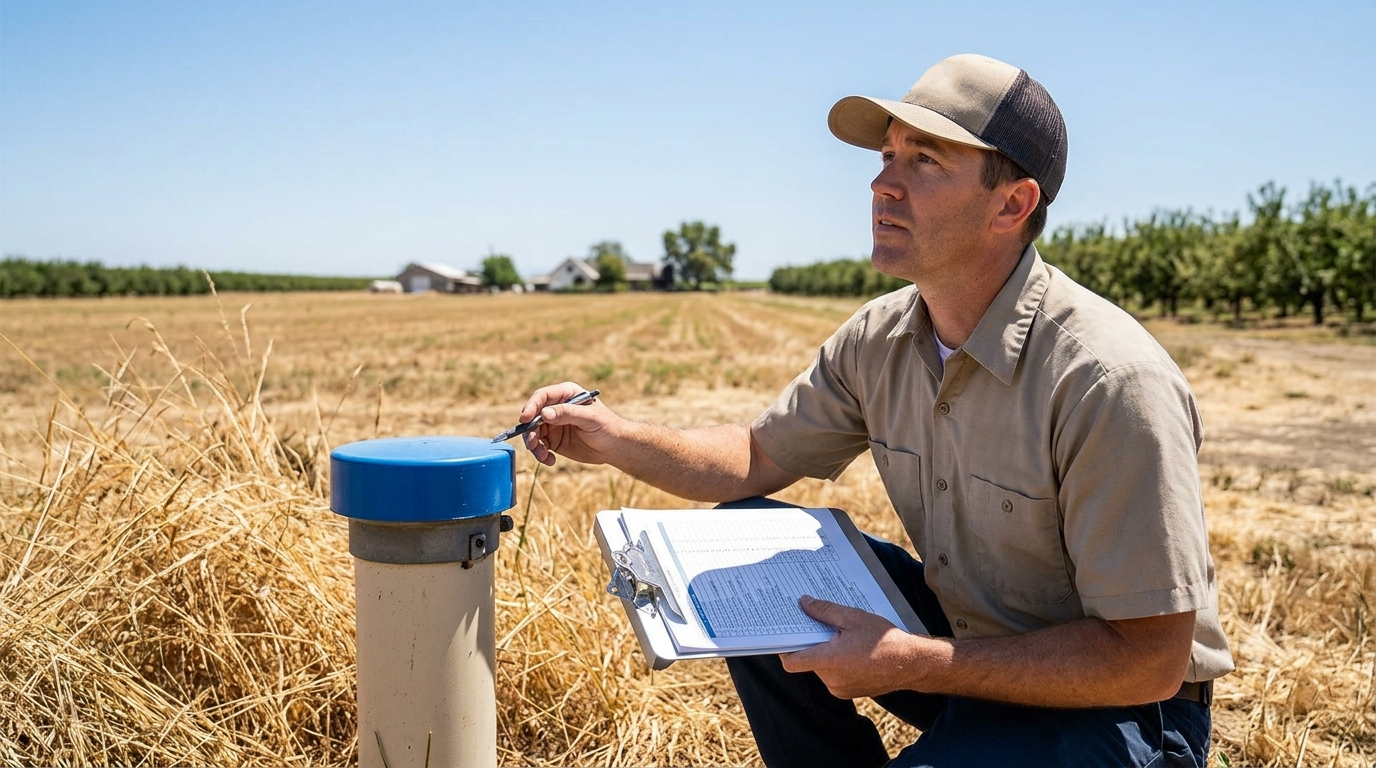
- Sanitary Well Cap Inspection: Check the well cap on top of your casing. Ensure it is tightly sealed, free of cracks, and sits at least 12 inches above the surrounding ground. Look for nests of ants, spiders, or mice that could contaminate the well.
- Test the Pressure Tank’s Air Charge: Drain the water system completely and test the air pressure with a digital tire gauge. Re-charge the air cushion to exactly 2 PSI below your pump’s cut-in setting. Learn how in our DIY Well Pressure Tank Care Guide.
- Perform Water Quality Testing: Spring is the national standard for annual water quality tests. Send a sample to a certified local laboratory to check for coliform bacteria, nitrates from agricultural fertilizers, and mineral hardness. Learn more in Testing Well Water in the Central Valley.
- Clear Around the Well Head: Cut back weeds, tall grass, and brush within a 10-foot radius of your well head. This prevents rodents from nesting and protects above-ground PVC pipes from weed-whacker damage.
Summer Checklist: Monitoring Thermal Stress
During the triple-digit heat of a Central Valley summer, your pump runs longer and harder. Heat and electrical stress are your primary challenges.
- Blow Out Electrical Enclosures: Turn off the power and clear dust, cobwebs, and dirt from inside your pump control box and starter panel. Debris traps heat, causing start capacitors to swell and fail. Read about heat impacts in Why Well Pumps Fail in the Summer.
- Perform a Water Clarity Test: Run an outdoor hose bib directly at the well-head. Fill a clean jar and look for fine sand or silt. Sandy aquifers can active-grind your pump’s impellers during heavy summer watering. To understand sediment prevention, read Sand & Silt Damage in Central Valley Wells.
- Monitor Electrical Breakers: Check if your double-pole well breaker feels hot to the touch or trips under load. This indicates a motor that is pulling too much amperage due to underground friction.
Fall Checklist: Preparing for Freezing Nights
While the valley floor has a relatively mild climate, autumn is the time to prepare your pipes for the cold winter nights ahead.
- Insulate Above-Ground Piping: Wrap any exposed above-ground copper or plastic water pipes near the well head with pipe insulation foam. Cover your pressure switch and valves with an insulated cover box or well house heater.
- Seal the Well House: If your system sits in a small well house, check for gaps in the walls or doors. Seal openings to keep freezing wind and nesting rodents out.
- Inspect Electrical Grounding: Verify that the main electrical ground wire running from your panel to the well casing is tight and free of rust or corrosion.
Winter Checklist: Routine Checks & Maintenance Logs
Winter is the off-peak season, making it a great time for routine system evaluations.
- Check for Plumbing Leaks: Turn off all household faucets and water fixtures. Watch your pressure gauge for 15 minutes. If the pressure needle slowly drops, you have an underground leak or a failing check valve in the well casing.
- Record Tank Cycle Times: Time how long your pump runs when refilling the pressure tank. A healthy cycle should last at least 1 to 2 minutes. A quick cycle (less than 45 seconds) warns you of a waterlogged tank.
- Update Your Maintenance Log: Keep a dedicated folder or digital file recording dates of water tests, equipment repairs, pressure tank checks, and technician visits. This is invaluable when selling your property.
Annual Professional Well Audits
While seasonal DIY inspections are vital, a professional diagnostic check once a year is highly recommended.
A certified well technician can perform advanced tests—such as measuring motor winding insulation resistance (megger test), testing pump drawdown GPM, and carrying out advanced water potability audits—to ensure complete water security.
- Check Our Residential Maintenance Packages
- Schedule a Professional Annual Well Audit
- Call the Ingram Team at (559) 734-3362 to keep your well in top condition
Frequently Asked Questions
How often should I test my water well's quality?
You should perform a water quality test at least once a year, preferably in the spring. Test for bacteria, nitrates, and overall mineral hardness to ensure your family's water remains completely safe to drink.
Do I need to protect my well head from freezing in the Central Valley?
Yes. While the valley floor experiences mild winters, winter night temperatures in the foothills (like Three Rivers) and low-lying fields can drop below freezing, causing exposed plastic pipes, valves, and switches to burst.
Why is a monthly well-cap inspection important?
A tight, sanitary well cap prevents insects, rodents, spiders, and surface water runoff from entering your well casing, keeping pathogens out of your drinking water.
Related Articles
How Long Do Well Pumps Last in the Central Valley?
How long should a water well pump last? Learn the factors in the Central Valley that affect lifespan and how to get the most out of your equipment.
Top Questions to Ask Your Well Pump Specialist During a Service Visit
Prepare for your next well service visit. Learn the top questions to ask your well pump specialist regarding equipment health, lifespan, warranties, and emergency support.
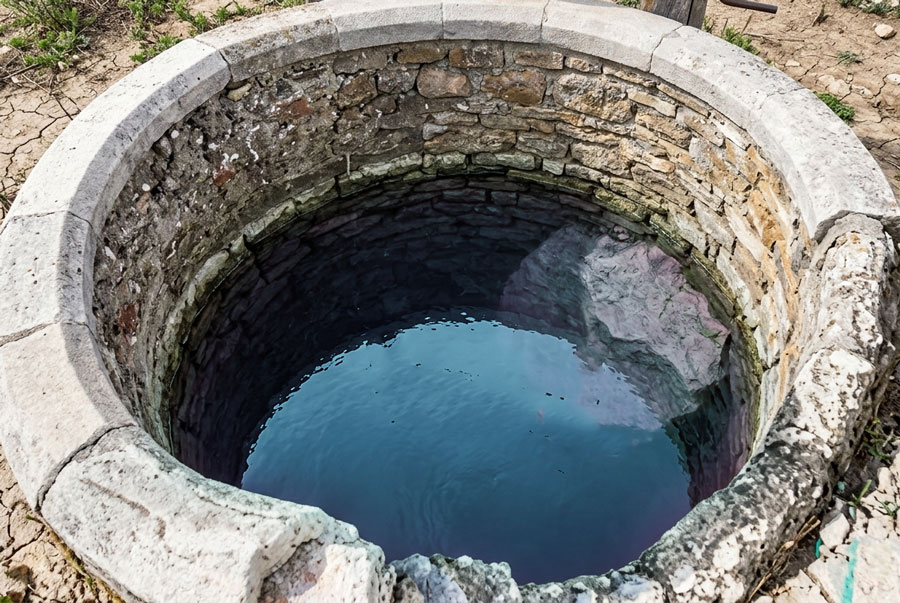
California Well Abandonment: Rules for Tulare County Landowners
Have an old, unused well on your property? Here is what you need to know about why California requires them to be sealed and how to do it right.