
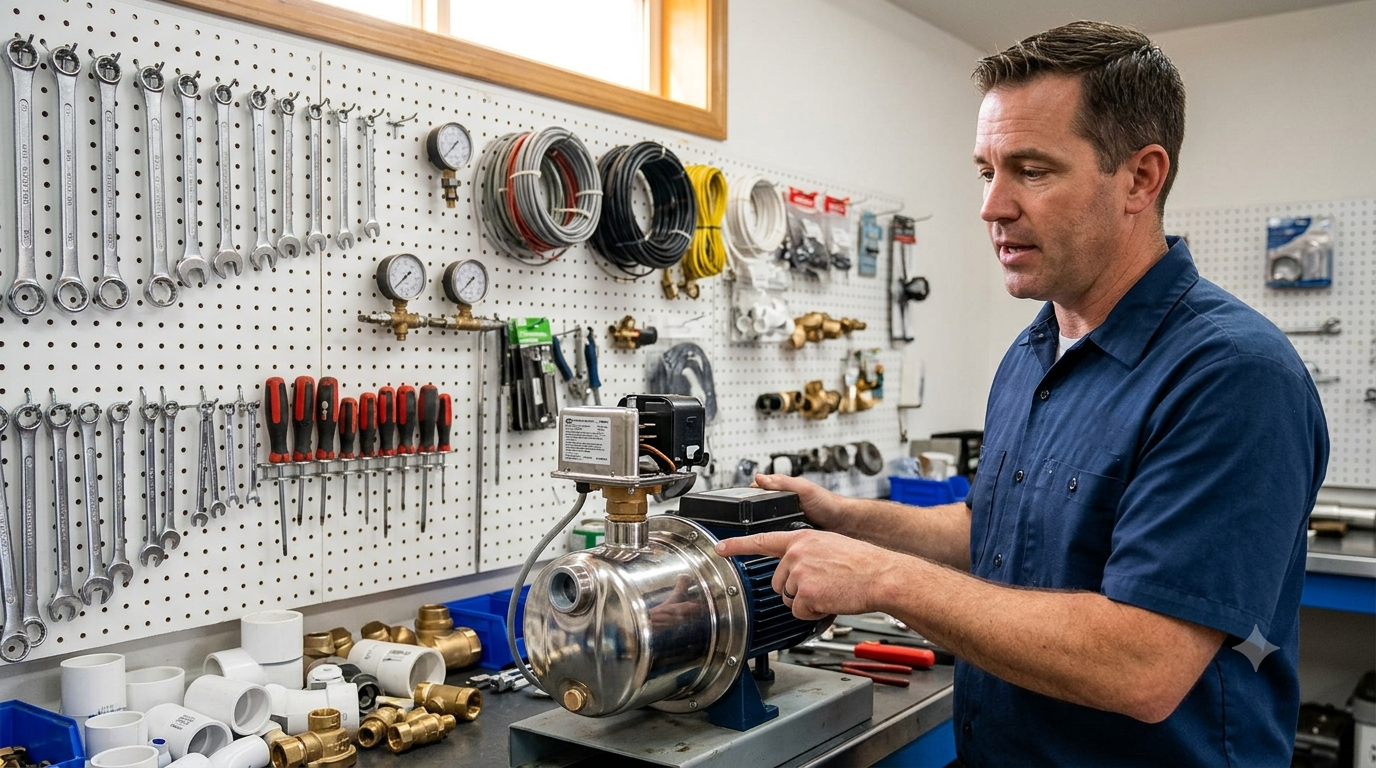
Top Questions to Ask Your Well Pump Specialist During a Service Visit
When a well water specialist comes out to your property for a routine checkup or a minor repair, it is the absolute best time to gain high-value intelligence on the state of your private water system. Because your pump is buried hundreds of feet underground, asking the right diagnostic questions can prevent sudden, expensive water outages.
Preparing a simple list of questions for your well technician ensures you get the most out of their service call. Here are the top questions we recommend asking during a technician visit.
1. “What is the physical health and AMP draw of my pump?”
Don’t just ask if the pump is “working.” You want specific, empirical diagnostic numbers.
- AMP Draw Test: Ask the technician to measure the electrical current your pump pulls under load. If the live AMP draw is close to or exceeding the manufacturer’s maximum rating, your motor windings are wearing out or the pump is binding mechanically.
- Inspecting the Controls: Ask about the state of the startup capacitors and relays inside your control box. Replacing a $50 capacitor is a simple preventative step that can prevent a major outage. Learn more in our No-Water Troubleshooting Guide.
2. “How much lifespan do you realistically estimate is left on this pump and tank?”
While standard submersible pumps in the Central Valley should last between 10 to 15 years, geological conditions can shorten this lifespan.
- Sediment & Mineral Scale: Ask if your well is drawing fine sand or suffering from heavy calcium buildup. Sand acts like an abrasive grinder, while scale chokes flow.
- Tank Bladder Wear: Ask the technician to check the air precharge pressure of your pressure tank to ensure the rubber bladder isn’t starting to weep or lose elasticity. Read how to care for your tank in DIY Well Pressure Tank Care.
3. “What specific warranties and guarantees do you offer on new parts and labor?”
If the technician recommends replacing a pump, control box, or pressure tank, understand your coverage:
- Manufacturer Warranties: Most professional-grade pumps (such as Franklin Electric or Grundfos) carry multi-year factory warranties. Confirm how many years are covered.
- Labor Guarantees: Ask if the installation company stands behind their work with a dedicated labor warranty. A reputable local contractor should guarantee their physical assembly for at least 1 to 2 years.
4. “Would my well benefit from an upgrade like a Variable Frequency Drive (VFD) or a larger pressure tank?”
As your property’s water needs evolve, upgrading your hardware can dramatically reduce wear and energy bills:
- VFD Upgrades: If you run heavy irrigation for home orchards or livestock, ask if a Variable Frequency Drive (constant pressure system) would be a good fit. VFDs slowly ramp the motor up, eliminating startup shock and minimizing sand draw. Learn more in Citrus and Nut Grove Well Solutions.
- Upsizing Your Tank: If your pump cycles frequently, replacing a small tank with an upsized commercial unit provides a larger drawdown cushion, which protects the motor from burnout. Read about agricultural sizing in Small Farm Pressure Tank Sizing.
5. “What are your emergency response procedures and hourly rates?”
If your water stops flowing at 9 PM on a Saturday in the middle of a triple-digit July heatwave, you need to know exactly who to call and what it will cost.
- 24/7 Availability: Confirm if the pump company offers round-the-clock emergency dispatch.
- Response Times: Ask about typical turnaround times for emergency calls. At Ingram Pump, we prioritize active residential outages to get your household back online within hours.
Consult with the Valley’s Well Experts
At Ingram Pump & Equipment, we believe in honest communication, detailed diagnostics, and complete transparency. We take the time to answer every question and explain our findings, so you can make informed decisions about your private water system.
- Check Our Standard Maintenance Offerings
- Schedule a Well Consultation & Inspection
- Call our family office at (559) 734-3362 to speak with a specialist
Frequently Asked Questions
Why should I ask about my pump motor's AMP draw?
The electrical AMP draw indicates how hard the motor is working. A rising AMP draw signals underground mechanical friction, often from sand abrasion or scale buildup, warning you of an impending pump failure.
How long should my well pressure tank last?
A standard steel well pressure tank typically lasts between 5 to 7 years in the Central Valley due to mineral scale and hot conditions. Upgrading to a premium tank or composite fiberglass tank can extend this to 10+ years.
Do well pump repairs require county permits?
Replacing minor parts like a switch, control box, or pressure tank does not require a permit. However, deepening a well casing, drilling a new shaft, or executing structural well rehabilitation requires county health department permits.
Related Articles
How Long Do Well Pumps Last in the Central Valley?
How long should a water well pump last? Learn the factors in the Central Valley that affect lifespan and how to get the most out of your equipment.

Year-Round Well Maintenance Schedule: Seasonal Checklist for Valley Landowners
Keep your private water well in top condition all year. Our comprehensive seasonal checklist covers spring flush, summer thermal checks, fall freeze protection, and annual tests.
California Well Abandonment: Rules for Tulare County Landowners
Have an old, unused well on your property? Here is what you need to know about why California requires them to be sealed and how to do it right.