Preparing Your Agricultural Well & Irrigation Pumps for the Central Valley Summer Peak
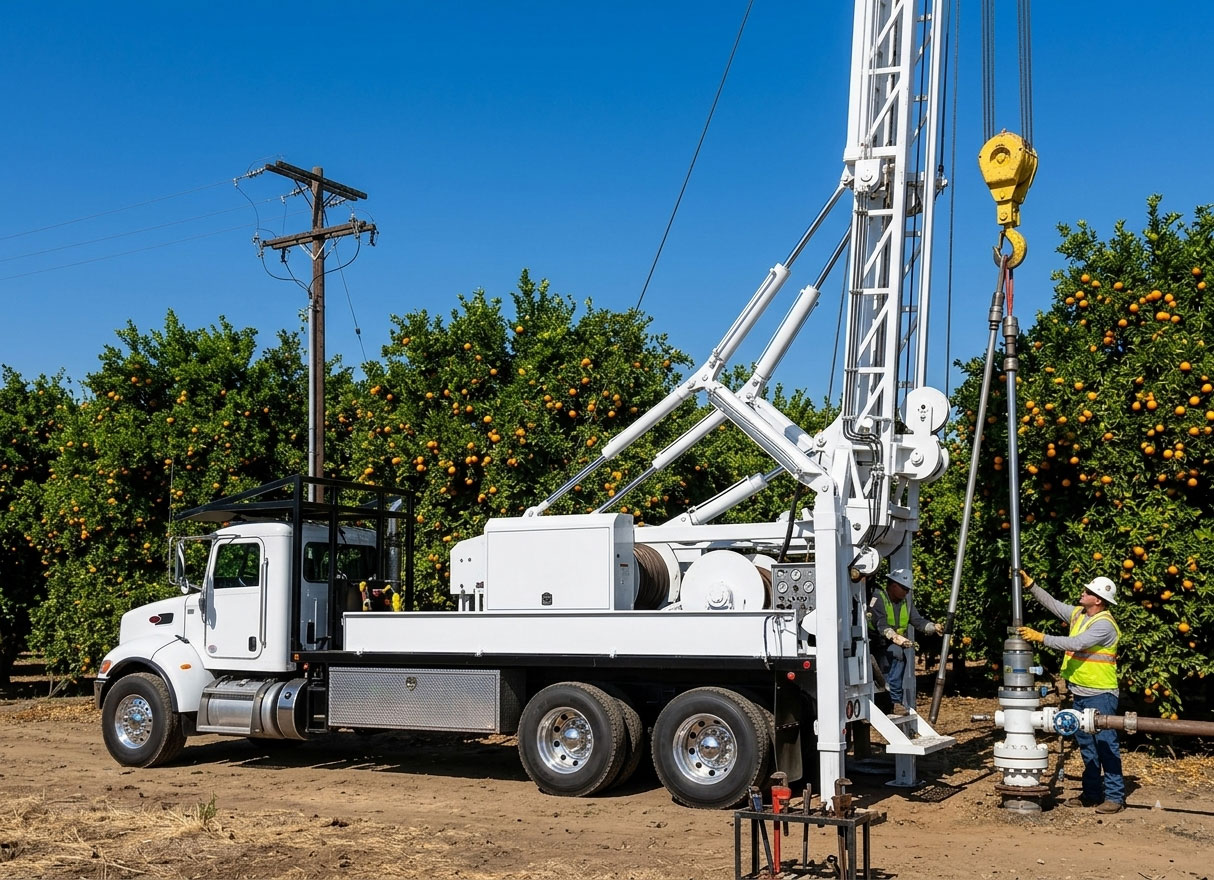
Summer in Tulare County means one thing: your agricultural irrigation system is about to run under peak, non-stop load. For many orchard owners and growers, this intense peak season is exactly when a neglected pump decides to give out, risking valuable citrus or nut crops. Getting ahead of summer irrigation demand is the key to a profitable harvest.
Why Irrigation Pumps Fail Under Summer Stress
When temperatures hit triple digits, your irrigation schedule intensifies. Pumps that ran for a few hours in spring are suddenly forced to run for days at a time.
This continuous stress attacks your system in two ways:
- Thermal Fatigue: Continuous operation generates intense heat in the motor windings. If the motor is already working against bearing wear or scale buildup, the heat will eventually short out the electrical windings.
- Volumetric Strain: As thousands of farms across Tulare, Fresno, and Kings County turn on their pumps simultaneously, the regional water table drops. Your pump must lift water from a deeper level, increasing the mechanical workload.
Your Pre-Season Agricultural Well Checklist
Before you flip the switch for the heavy summer irrigation run, perform these critical preventative checks:
- Test the Motor AMP Draw: Measure the electrical current your pump pulls under load. If the AMP draw is higher than the rating stamped on the manufacturer’s nameplate, the motor is struggling. This is often caused by fine sand grinding the impellers or a bearing starting to seize. Read our guide on Sand & Silt Damage in Central Valley Wells.
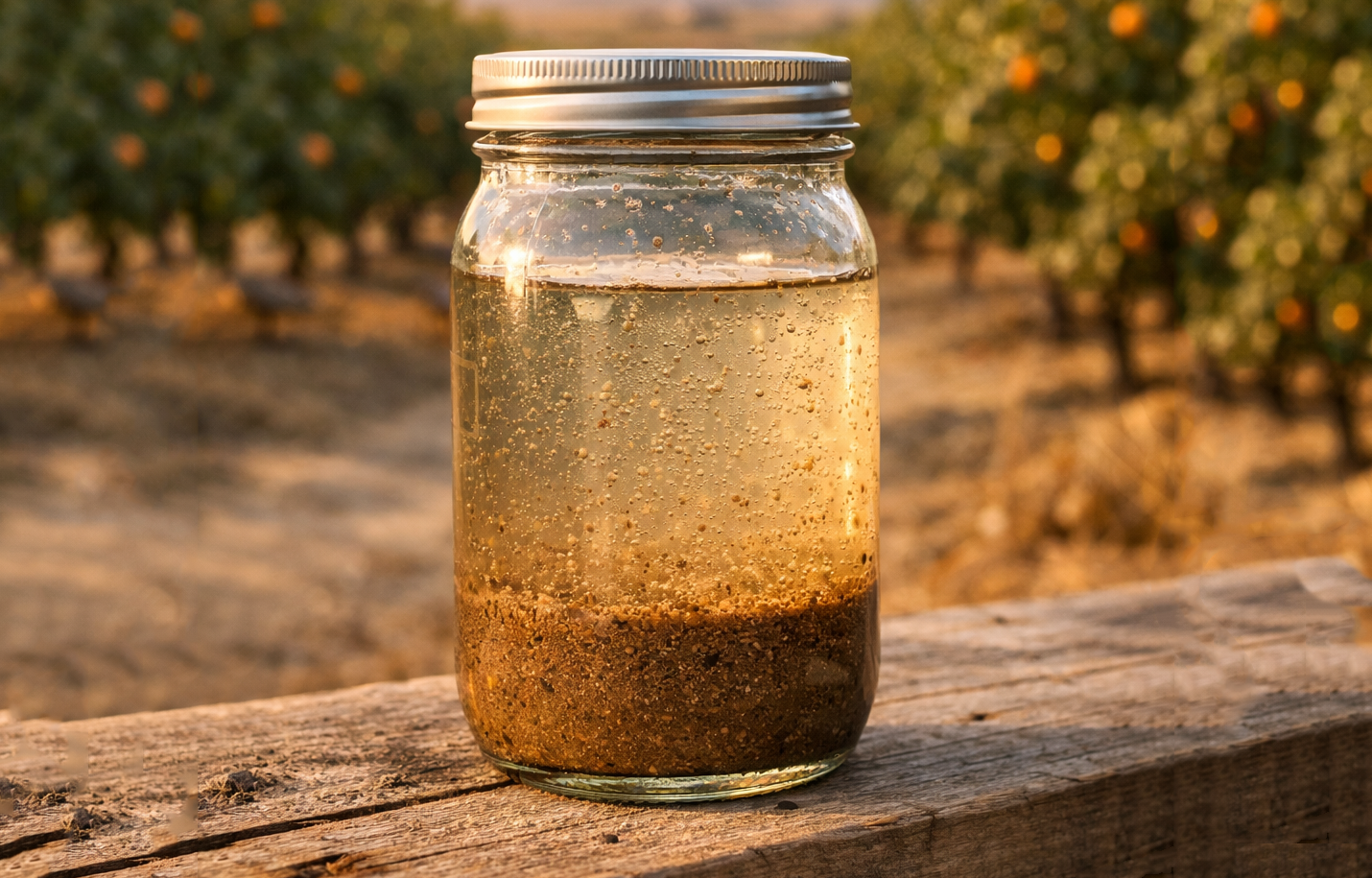
- Monitor Water Clarity and Sand: Draw water directly from the well-head into a clear container. Watch for fine sediment or cloudy water. Sand intrusion erodes pump tolerances rapidly, leading to pressure loss. Consider installing a centrifugal sand separator to protect your systems.
- Clean and Inspect Control Panels: Central Valley dust is a major enemy of electrical panels. Blow out dust, spider webs, and insect nests from your starter boxes and NEMA enclosures. Dirt acts as an insulator, trapping heat and causing capacitors to burst.
- Confirm Pressure Tank Drawdown: Ensure your pressure tanks are providing a healthy cushion, allowing your pump motors to remain on for sustained periods rather than starting up repeatedly. Learn how to size these systems in our Small Farm Pressure Tank Sizing Guide.
Shifting Groundwater Tables in Tulare County
Groundwater levels in our county shift dynamically. A pump depth or capacity that worked perfectly last year might be insufficient today. If you notice a sudden drop in water output or “chattering” in your irrigation lines, your pump may be sucking air due to localized water table drawdown.
Secure Your Summer Irrigation Water
At Ingram Pump & Equipment, we have four generations of experience managing high-capacity agricultural wells across the San Joaquin Valley. Don’t wait for your pump to fail in the middle of a July heatwave.
- Check Our Agricultural Pump Services
- Schedule a Pre-Season Pump Assessment
- Call our dispatch office today at (559) 734-3362
Frequently Asked Questions
Why do dropping groundwater levels affect my agricultural pump?
During peak summer irrigation in Tulare County, regional pumping lowers the water table. This forced drawdown means your pump must lift water from deeper underground, increasing motor load and potentially causing the pump to run dry or pull air.
What is an AMP draw test and why is it important?
An AMP draw test measures the electrical current running to your pump motor. A higher-than-normal AMP draw indicates mechanical binding (often due to sand or bearing wear) or failing windings, signaling that your pump is on the verge of failure.
How does summer heat affect above-ground well electronics?
Triple-digit Valley heat increases electrical resistance. If control panels, start capacitors, or Variable Frequency Drives (VFDs) are coated in dirt and cobwebs, they cannot dissipate heat, triggering electrical failures and motor shut-offs.
Related Articles
How Central Valley Soil and Sandy Aquifers Affect Your Well Water
Understand the geology of the San Joaquin Valley and how sandy alluvial aquifers affect your well water, pump wear, and drip irrigation systems.
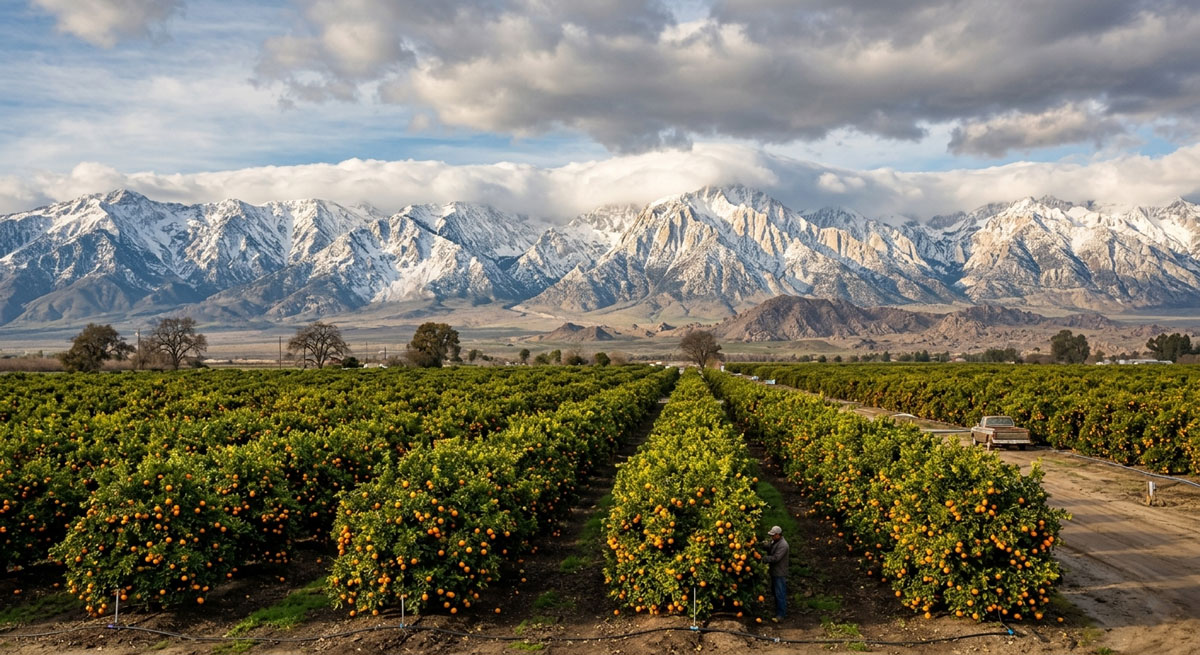
Citrus & Nut Grove Well Pump Solutions: Managing Sand & Mineral Scale
A comprehensive guide for Central Valley farmers in Tulare & Kings County on managing sandy aquifers, calcium scale, and leveraging VFDs to protect citrus and nut grove irrigation systems.
Well and Pump Sizing for Central Valley Citrus Orchards
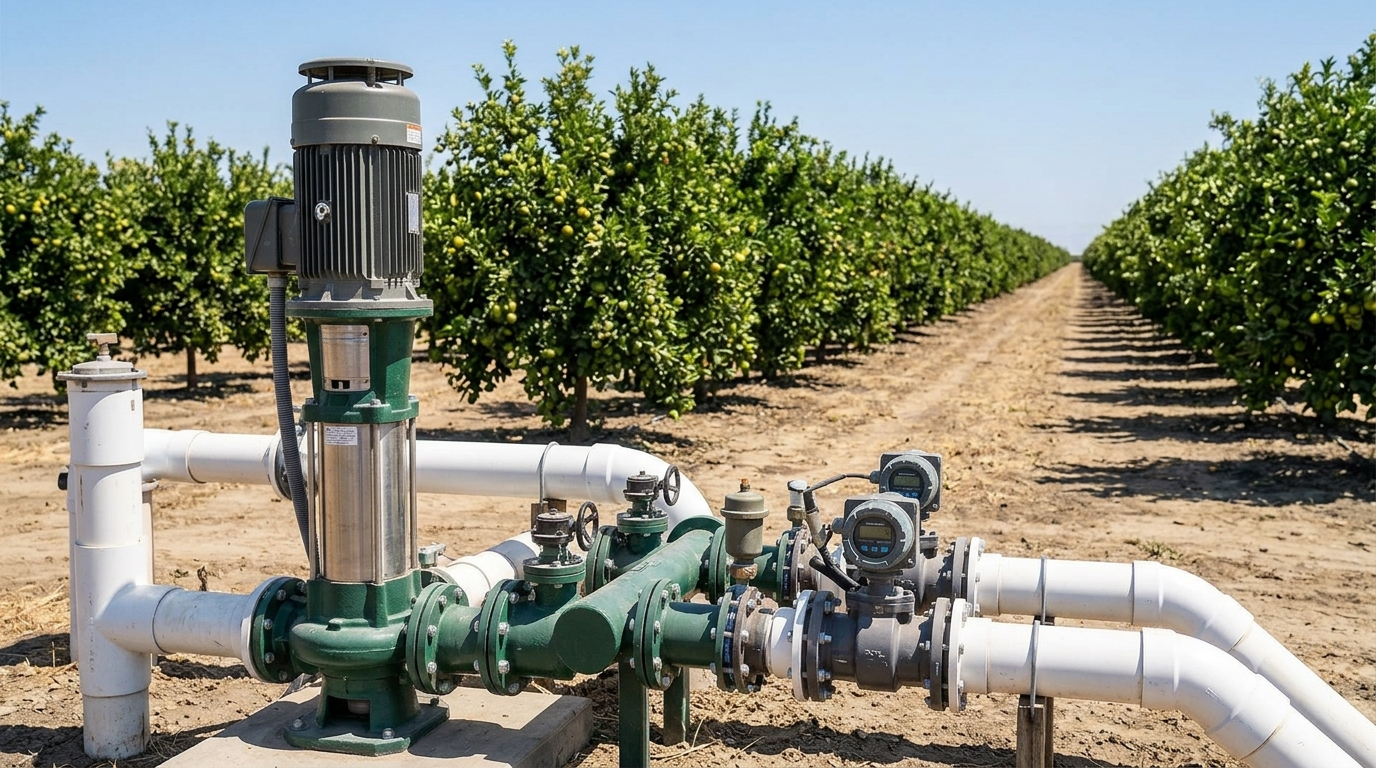
A technical guide for Central Valley citrus growers on calculating orchard water demand, sizing deep-well submersible pumps, and matching horsepower to water tables.